Property Tax Appeal Strategy for Nassau County, NY: Local Tactics That Work
TL;DR
County-specific appeal strategy for Nassau County, NY. Covers Assessment Review Commission filing, SCAR petition, and certiorari proceedings.

Property Tax Appeal Strategy for Nassau County, NY: Local Tactics That Work is one of those subjects where specifics count. After the BAR, you can file a Small Claims Assessment Review (SCAR) proceeding for residential properties assessed under $450,000.
Keep your tone professional and factual. Review boards respond to evidence, not complaints. If you walk in with 3 strong comparable sales and a calm, organized presentation, you are already ahead of most appellants.
How Property Tax Appeals Work in Nassau County
After the BAR, you can file a Small Claims Assessment Review (SCAR) proceeding for residential properties assessed under $450,000. How Property Tax Appeals Work in Nassau County is straightforward once you know the key details. Below, we break it down step by step.
After the BAR, you can file a Small Claims Assessment Review (SCAR) proceeding for residential properties assessed under $450,000. SCAR is relatively simple and inexpensive. For higher-value properties, a certiorari (Article 7) proceeding in Supreme Court is the path.
The appeal process is designed to be accessible to regular homeowners, not just attorneys and tax professionals. You do not need to hire anyone to file. The key is preparation. Gather your evidence before the hearing, organize it clearly, and practice presenting your case in under 10 minutes. Lead with comparable sales, then cover any property record errors, and finish with photos or documentation of condition issues.
Keep your tone professional and factual. Review boards respond to evidence, not complaints. If you walk in with 3 strong comparable sales and a calm, organized presentation, you are already ahead of most appellants.
Key Deadlines
| Action | Deadline |
|---|---|
| Assessment notice mailed | Check your county calendar |
| Appeal filing deadline | Grievance Day (typically the third Tuesday in May for most towns) |
| Hearing | Typically within 30-90 days of filing |
Deadlines in property tax are not flexible. Miss the filing window by even one day and you lose your right to appeal for the entire year. That is another 12 months of overpaying with no recourse. As soon as you receive your assessment notice, find the deadline and mark it on your calendar with a reminder set for two weeks before.
If your deadline has already passed, check whether your state has a secondary appeal window. Some states allow filing with a higher court or board after the initial deadline. If no secondary option exists, start preparing now for next year's appeal so you are ready the moment your next notice arrives.
Where to File
File your appeal using the grievance form filed with the assessor. Check the Nassau County assessor's website for the current form and online filing options. You can also file in person at the assessor's office or by certified mail.
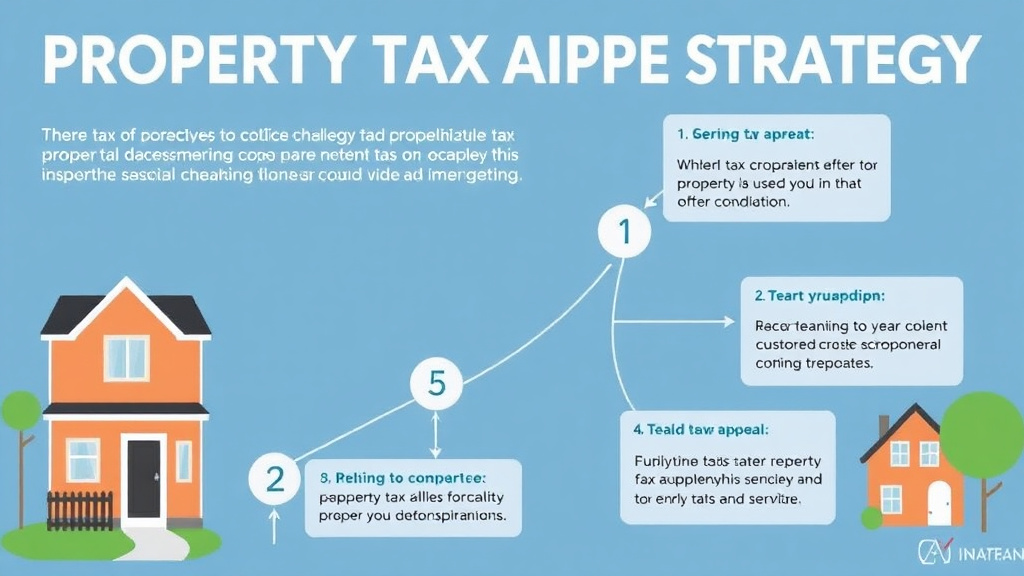
Understanding this topic fully means looking at both the big picture and the specific details that apply to your situation. Every property is different, and the strategies that save the most money are the ones tailored to your particular home, location, and circumstances.
Start by gathering the basic facts about your property: its assessed value, the tax rate in your jurisdiction, and any exemptions currently applied. Then compare your situation to what is available. You may find opportunities for savings that you did not know existed.
Local Strategy Tips for Nassau County
Finding Comparable Sales
Focus on sales within your specific neighborhood or subdivision. Nassau County likely has diverse neighborhoods with different market dynamics. A comparable sale from across the county is less persuasive than one from your immediate area.
Best sources for Nassau County comparable sales:
- The county assessor's website (recent sales search)
- Zillow and Redfin (filter by "Recently Sold" near your address)
- A local real estate agent with MLS access
- County recorder's office for official deed records
The Informal Stage
Most counties offer an informal review before the formal hearing. This is your best chance for a quick resolution. Come prepared with your comparable sales data and a specific value request. Many cases settle at this stage without needing a formal hearing.
Preparing for the Hearing
If your case goes to a hearing, prepare a clean evidence packet with:
- 3-5 comparable sales in a comparison table
- Adjustments for differences between each comp and your property
- Photos of any condition issues the assessor may not know about
- Your property record card with any errors highlighted
Step-by-Step: Your Nassau County Appeal
- Review your assessment notice. Check the assessed value and note the appeal deadline.
- Get your property record. Request it from the county assessor. Verify all details against your actual property.
- Gather comparable sales. Find 3-5 similar homes that sold within the last 12 months for less than your assessed value.
- Prepare your evidence packet. Create a comparison table showing your home versus each comp.
- File your appeal. Submit before the deadline using the grievance form filed with the assessor.
- Attend the informal review. Present your evidence and be open to negotiation.
- Attend the formal hearing if needed. Keep your presentation under 10 minutes. Be factual and specific.
For general appeal strategies that apply in any county, see our complete appeal guide.
Your Next Steps
Here is exactly what to do this week to start lowering your New York property taxes:
- Pull your property record card. Contact your county assessor's office or check their website. Compare every detail to your actual property. Flag anything that looks wrong.
- Check recent sales in your neighborhood. Look up 3 to 5 homes similar to yours that sold in the past 12 months. If they sold for less than your assessed value, you have a case.
- File for any exemptions you have not claimed. If you are a senior, veteran, or disabled homeowner in New York, there may be exemptions saving you hundreds or thousands per year that you have not applied for yet.
- Mark your appeal deadline. Find the date on your most recent assessment notice and set a reminder for two weeks before. Do not let the deadline pass without acting.
Try our free tools
Frequently Asked Questions
How do I appeal my property tax assessment in Nassau County, New York?
Nassau County has a specific appeal strategy that includes filing with the Assessment Review Commission, submitting a SCAR petition, and pursuing certiorari proceedings. Understanding these local tactics can be crucial for successfully appealing your property tax assessment.
How Property Tax Appeals Work in Nassau County?
In Nassau County, property tax appeals follow the New York state process. You file a grievance with the Board of Assessment Review. If the initial appeal is denied, you can escalate to the Board of Assessment Review (BAR) and beyond.
Where to File?
File your appeal using the grievance form filed with the assessor. Check the Nassau County assessor's website for the current form and online filing options. You can also file in person at the assessor's office or by certified mail.
What are the best comparable sales to use for a property tax appeal in Nassau County?
Focus on finding comparable sales within your specific neighborhood or subdivision in Nassau County. The market dynamics can vary significantly across the county, so a comparable sale from a different area may not be as persuasive. Look for recent sales of similar properties.
Can I get my property tax assessment reduced in Nassau County?
For a general overview of the appeal process, please refer to our complete appeal guide. The key steps for a Nassau County appeal include reviewing your assessment notice, obtaining your property record, gathering comparable sales, and preparing an effective case.
Get Your Nassau County Evidence Packet
Our $79 Evidence Packet pulls comparable sales specific to your area in Nassau County and formats them into a professional document ready for your hearing. One-time fee, no percentage of savings.