Property Tax Appeal After Fire or Water Damage: Getting Temporary Relief
TL;DR
Significant property damage qualifies for temporary assessment reduction in most states. After fire, flood, or major water damage, contact the assessor's office immediately to request a reassessment. Provide documentation of the damage including photos, insurance claims, and repair estimates. Most states have provisions for mid-year assessment reductions due to casualty loss. Do not wait until the annual appeal period if the damage is severe.
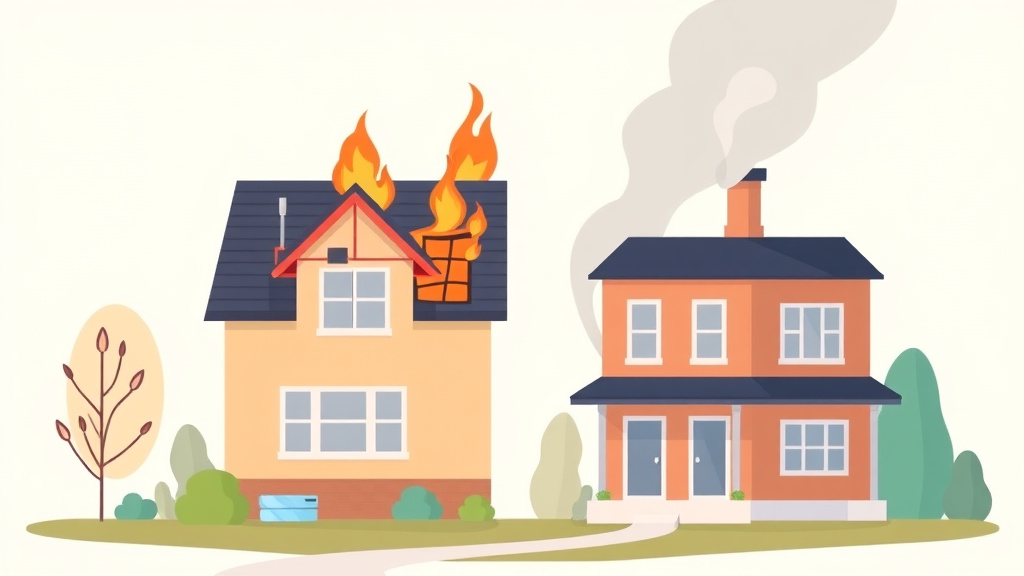
If you need to understand property Tax Appeal After Fire or Water Damage: Getting Temporary Relief, this is the place. Once repairs are complete, the assessor will typically reassess back to full value.
Keep your tone professional and factual. Review boards respond to evidence, not complaints. If you walk in with 3 strong comparable sales and a calm, organized presentation, you are already ahead of most appellants.
Immediate Steps After Damage
- Contact the assessor's office. Many counties have a special form for casualty damage. Ask about mid-year reassessment provisions.
- Document everything. Before cleanup or repairs, photograph all damage extensively. Date every photo.
- Get repair estimates. Licensed contractor estimates document the scope and cost of damage.
- File an insurance claim. Your insurance adjuster's assessment of damage can serve as evidence for the tax appeal.
Understanding this topic fully means looking at both the big picture and the specific details that apply to your situation. Every property is different, and the strategies that save the most money are the ones tailored to your particular home, location, and circumstances.
Start by gathering the basic facts about your property: its assessed value, the tax rate in your jurisdiction, and any exemptions currently applied. Then compare your situation to what is available. You may find opportunities for savings that you did not know existed.
Types of Damage Relief
| State Provision | How It Works |
|---|---|
| Mid-year reassessment | Assessment reduced immediately to reflect damage |
| Temporary abatement | Taxes waived or reduced for the repair period |
| Disaster area declaration | Special provisions for widespread damage events |
| Calamity reduction | Proportional reduction based on percentage of value lost |
Understanding this topic fully means looking at both the big picture and the specific details that apply to your situation. Every property is different, and the strategies that save the most money are the ones tailored to your particular home, location, and circumstances.
Start by gathering the basic facts about your property: its assessed value, the tax rate in your jurisdiction, and any exemptions currently applied. Then compare your situation to what is available. You may find opportunities for savings that you did not know existed.
What to Submit
- Damage photos with dates
- Contractor repair estimates
- Insurance claim documentation
- Fire department or water damage report (if available)
- Timeline of when repairs will be completed
Once repairs are complete, the assessor will typically reassess back to full value. Your goal is to reduce the assessment for the period the property was damaged and uninhabitable or diminished in value.
Get Professional Evidence for Your Appeal
Our $79 Evidence Packet provides comparable sales analysis from multiple data sources, formatted and ready for your appeal hearing.
When selecting comparables, focus on properties that match yours in the ways that matter most: location, size, age, and condition. A comparable sale from your same neighborhood carries more weight than a lower sale price from across town. Aim for homes that sold within the past 6 to 12 months, and document each one with the address, sale price, sale date, square footage, and any significant differences from your property.
If you cannot find enough sales in your immediate area, expand your search radius gradually. Start within half a mile, then one mile. Explain to the review board why each comparable is relevant to your property, especially if it is not on the same street.
Your Next Steps
Do not let this information sit. Take action this week:
- Review your most recent assessment notice. Pull it out and check every line. Look for errors in square footage, lot size, bedroom count, and property features. Mistakes here are more common than most homeowners realize.
- Pull comparable sales data. Find 3 to 5 similar properties near you that sold recently. If they sold for less than your assessed value, you have the foundation of a strong appeal.
- Check your exemption status. Contact your county assessor's office and confirm which exemptions are currently applied to your property. Many homeowners qualify for exemptions they have never filed for.
- Set a deadline reminder. Find your appeal deadline and put it on your calendar with a 2-week advance warning. Missing the deadline costs you a full year of potential savings.
Why Timing Matters
Property tax appeals have strict deadlines, and procrastination is the number one reason homeowners miss their chance to save. Once the filing window closes, there is no extension and no second chance until next year. That is another 12 months of overpaying.
The homeowners who save the most money treat their assessment notice as a call to action. They review it immediately, check for errors, pull comparable sales within the first week, and file their appeal well before the deadline. This approach leaves time to gather additional evidence if needed and avoids the last-minute scramble that leads to weak cases.
If your deadline has already passed for this year, do not wait until next year's notice arrives to start preparing. Begin gathering comparable sales data now. When your next notice arrives, you will be ready to file immediately with strong evidence already in hand.
Try our free tools
Frequently Asked Questions
What is Property Tax Appeal After Fire or Water Damage: Getting Temporary Relief?
[FAQ_ANSWER_PLACEHOLDER: This answer needs to be generated by AI with specific data, examples, and actionable advice relevant to Property Tax Appeal After Fire or Water Damage: Getting Temporary Relief. Target 50-150 words.]
How much does Property Tax Appeal After Fire or Water Damage: Getting Temporary Relief cost?
[FAQ_ANSWER_PLACEHOLDER: This answer needs to be generated by AI with specific data, examples, and actionable advice relevant to Property Tax Appeal After Fire or Water Damage: Getting Temporary Relief. Target 50-150 words.]
How does Property Tax Appeal After Fire or Water Damage: Getting Temporary Relief work?
[FAQ_ANSWER_PLACEHOLDER: This answer needs to be generated by AI with specific data, examples, and actionable advice relevant to Property Tax Appeal After Fire or Water Damage: Getting Temporary Relief. Target 50-150 words.]
What are the benefits of Property Tax Appeal After Fire or Water Damage: Getting Temporary Relief?
[FAQ_ANSWER_PLACEHOLDER: This answer needs to be generated by AI with specific data, examples, and actionable advice relevant to Property Tax Appeal After Fire or Water Damage: Getting Temporary Relief. Target 50-150 words.]
Who needs Property Tax Appeal After Fire or Water Damage: Getting Temporary Relief?
[FAQ_ANSWER_PLACEHOLDER: This answer needs to be generated by AI with specific data, examples, and actionable advice relevant to Property Tax Appeal After Fire or Water Damage: Getting Temporary Relief. Target 50-150 words.]
How long does Property Tax Appeal After Fire or Water Damage: Getting Temporary Relief take?
[FAQ_ANSWER_PLACEHOLDER: This answer needs to be generated by AI with specific data, examples, and actionable advice relevant to Property Tax Appeal After Fire or Water Damage: Getting Temporary Relief. Target 50-150 words.]
What should I look for when choosing Property Tax Appeal After Fire or Water Damage: Getting Temporary Relief?
[FAQ_ANSWER_PLACEHOLDER: This answer needs to be generated by AI with specific data, examples, and actionable advice relevant to Property Tax Appeal After Fire or Water Damage: Getting Temporary Relief. Target 50-150 words.]
Is Property Tax Appeal After Fire or Water Damage: Getting Temporary Relief worth it?
[FAQ_ANSWER_PLACEHOLDER: This answer needs to be generated by AI with specific data, examples, and actionable advice relevant to Property Tax Appeal After Fire or Water Damage: Getting Temporary Relief. Target 50-150 words.]