Last updated 2026-07-11
TL;DR
Demolish a structure and the assessed value of your property should fall, because the improvement is gone. Most counties want you to notify the assessor, then they either grant a mid-year reduction or adjust at the next reassessment. Miss the notice deadline and you can pay a full year of tax on a building that's now rubble. File proactively. Waiting costs you.
Why does demolishing a structure affect your property taxes at all?
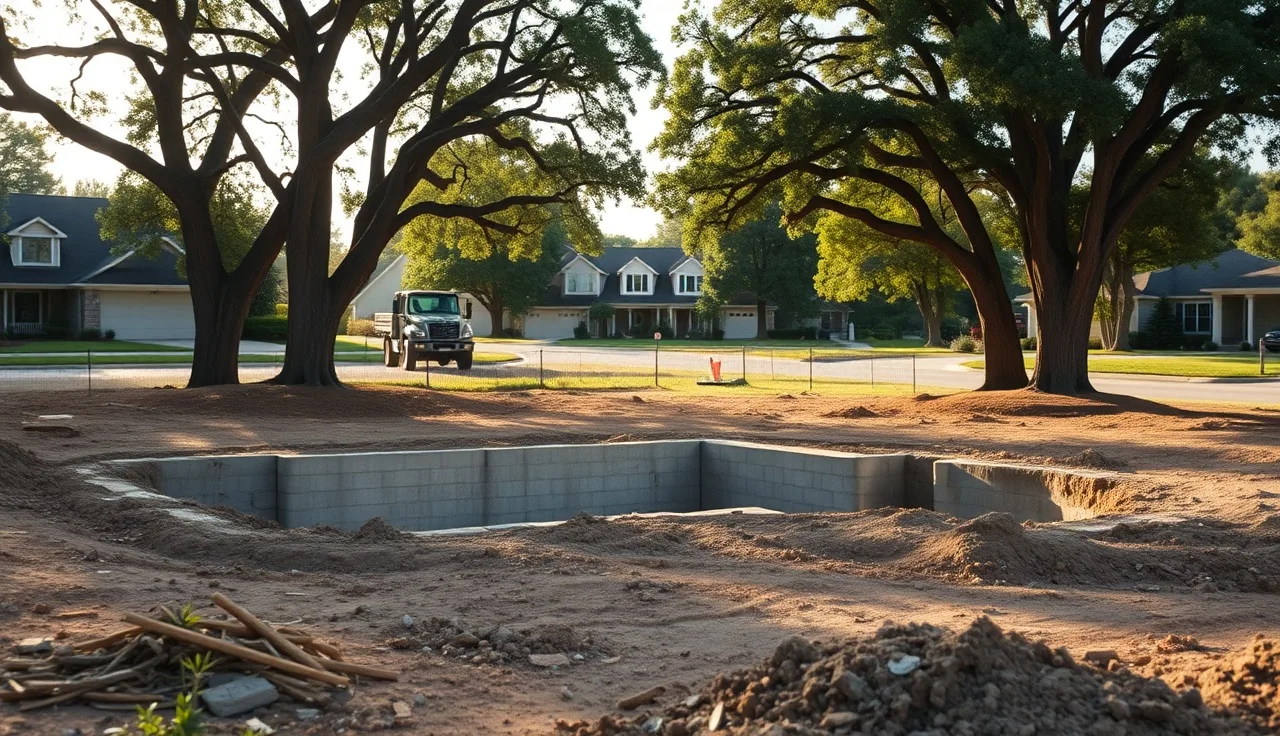
Property tax is almost always built on two numbers: land value and improvement value. The improvement is anything built on the land, so a house, a barn, a detached garage, a warehouse. Tear the structure down and the improvement is physically gone, so its assessed value should drop to zero (or close, since salvage value sometimes gets added back). What's left is taxed as vacant land, which almost always carries a lower value than the same lot with a building on it.
Here's the catch. Assessors don't drive past your lot every week. They learn a building is gone from building permits, demolition permits, self-reporting by the owner, or a periodic re-inspection cycle. If none of those signals reach the office before the next assessment date, your improvement value stays on the books and you keep paying for a pile of debris.
The difference is big. In most residential markets, the improvement is 40 to 70 percent of total assessed value. Take a property assessed at $400,000 where the house accounts for $250,000. Demolition could cut your taxable value by roughly $250,000, which knocks $2,500 to $6,000 off your annual bill depending on the local mill rate. [1]
How does the assessor find out a structure has been demolished?
The most reliable trigger is the demolition permit. In most jurisdictions, contractors have to pull a permit before tearing down a structure, and that permit record feeds the assessor's database. [2] Some counties share data automatically between the building department and the assessor. Others do it by hand once a year, which means a January demolition might not touch your assessment until the next tax year.
Did the demo yourself? Legal in a lot of rural areas for outbuildings. Or the city condemned and removed the structure? Then there may be no permit record at all. In that case you have to self-report. Most county assessors have a simple form or online submission for exactly this.
Some assessors send field appraisers out every four to six years on a reassessment cycle. If your county runs a six-year cycle and your building came down in year two, you could pay improvement taxes for four more years unless you speak up. That's not a hypothetical. It happens constantly. The system assumes things exist until somebody tells it otherwise.
A few states, California being the clearest, have a "Decline in Value" or "Calamity Relief" mechanism under Proposition 13 that lets you request a review any time market value drops below assessed value. Demolition qualifies. [3] Other states handle it their own way, which is why your state's rules matter more than any rule of thumb.
Does your tax bill drop immediately after demolition, or do you have to wait?
Most homeowners get this one wrong. The answer turns almost entirely on your state's assessment date and its mid-year adjustment rules.
Assessment date is the date value gets fixed for the upcoming tax year. Common ones are January 1 (most states), April 1 (Maine), and October 1 (Connecticut). If your structure is standing on the assessment date and you demo it the next week, you generally owe the full year's tax on the improvement, because the property existed in its prior condition on that date. [4]
Mid-year adjustments are a separate animal. Some states and many counties allow a pro-rated reduction when a structure is destroyed, demolished, or rendered uninhabitable during the tax year. California lets the assessor reassess on a pro-rated basis for involuntary destruction such as fire or flood. Voluntary demolition usually doesn't get that pro-rata treatment under calamity relief, but you still get the full reduction starting the next assessment cycle. [3]
Texas is different. Assessment date is January 1, and improvements that don't exist on January 1 shouldn't be on the roll. Demolish in March after you've already been assessed and you're generally stuck with the improvement value for the year, though you can challenge if the assessment doesn't reflect the property's actual condition on January 1. [5]
Here's how common state rules stack up:
| State | Assessment Date | Voluntary Demo Mid-Year Reduction? | Notes |
|---|---|---|---|
| California | Jan 1 | No (calamity only) | Pro-rata for involuntary destruction; next cycle for voluntary [3] |
| Texas | Jan 1 | No | Must exist on Jan 1 to avoid assessment [5] |
| Illinois | Jan 1 | No | Triennial reassessment cycle complicates timing [6] |
| New York | Varies by county | Sometimes | NYC uses July 1; check local rules [7] |
| Florida | Jan 1 | No | Exemptions and new construction adjusted at next roll |
| Georgia | Jan 1 | Sometimes | County discretion; file removal notice promptly [8] |
| Connecticut | Oct 1 | No | Grand List date governs |
| New Jersey | Oct 1 | No | Tax appeal deadline follows assessment |
So the pattern in most states: voluntary demolition before the assessment date pulls the improvement off next year's assessment, and demolition after the assessment date means you pay the full current year and get relief starting the following year.
What steps do you need to take after demolishing a structure?
Step one is notify the assessor in writing, the moment the structure is down. Don't assume the permit system does it for you. Write a short letter or fill out the assessor's form with the address, parcel number, what came down, and the date demolition finished. Attach a photo from the day the lot was cleared. Attach the demolition permit if you had one.
Step two is verify the next year's assessment actually shows the removal. Assessors process a mountain of data and mistakes happen. When your new notice arrives, check that the improvement value dropped a lot. If it didn't, file an appeal right away. The window to appeal is usually 30 to 90 days from the mailing date of the notice, and missing it kills your options for that year. [4]
Step three is check whether you're owed a refund for any stretch when the structure didn't exist but you were taxed as if it did. Some counties issue a refund or credit without much of a fight if you hand them clear evidence. Others make you file a formal appeal. Hold onto the demolition permit, contractor invoices, and dated photos.
Handling something messier, like a partial demolition, a commercial teardown, or a building on a redevelopment site? The paper trail matters even more. Assessors often botch partial demolitions because the system isn't built for nuance. Document exactly what came out and exactly what stayed.
What happens to your property taxes when you demolish part of a structure?
Partial demolitions are where homeowners get shortchanged. Say you tear down a detached garage but keep the house. The assessor should strip the garage's contributory value out of your assessment. Detached garages typically add $10,000 to $40,000 in assessed value, though the range swings hard by location and size. [1]
The problem is mass appraisal. Your property gets its value from a formula fed by square footage, features, and comps. If the garage was tracked as its own feature in the database (larger or fancier garages usually are), removing it is a clean data change. If it was buried in a general description, the assessor might have to send someone out to re-evaluate.
For homes with real auxiliary structures, like large workshops, in-law units, or ag buildings, the contributory value climbs. A big outbuilding on a rural parcel can carry $50,000 to $150,000 in assessed value. Tear it down and then say nothing, and you're handing the county money.
One more thing. Some areas have a separate form for partial removals, apart from the standard demolition notice. Ask the assessor directly whether they have a specific form for partial structure removal or improvement deletion.
Can you get a property tax refund if the building was demolished before the tax year started?
If the structure was gone before the assessment date and the assessor still listed it, you have a strong case for a correction or refund, not merely a going-forward reduction. This is an error in the assessment, not a change in value.
Start with an informal correction request at the assessor's office, backed by a demolition permit showing the completion date fell before the assessment date. Many assessors fix this administratively, no formal appeal needed, because an improvement that didn't exist on the lien date simply doesn't belong on the roll.
If they won't correct it informally, file a formal appeal with the local board of review or assessment appeals board. Bring the permit, dated photos, and any contractor completion documents. This is a factual dispute, not a valuation fight, and factual disputes go better for taxpayers because the evidence is either true or it isn't.
Prior-year refunds are harder. Most states cap refund claims with a statute of limitations, often two to three years, sometimes shorter. If you've been paying on a building demolished years ago and never caught it, file a refund claim going back as far as the statute allows. Just don't expect a smooth ride.
Does demolishing a structure trigger a reassessment of your whole property?
In most states, no. Removing an improvement is a downward change, and reassessment triggers are usually tied to new construction, sales, or big improvements, not demolitions. You're asking the assessor to lower a value, which doesn't set off a full reappraisal of your land.
California's Proposition 13 shows how this plays out. New construction triggers a partial reassessment of the new square footage at current market value. Demolition doesn't reset the base year value on the land. Your land keeps its existing Proposition 13 base year value, and the improvement value just comes off. [3]
Texas works the same way. Demolishing an improvement doesn't force the land to be re-assessed at current market rates outside the normal cycle. [5]
The exception to watch: a jurisdiction with a rule that any property with significant changes gets re-inspected and fully re-appraised. A handful of states allow this. It's rare, more common in commercial contexts, but confirm with your assessor before you assume the land value stays put.
If your land has been sitting under-assessed, you might prefer a quiet administrative correction to the improvement over a full reassessment. That's a real strategic call worth thinking through before you point the assessor at your property.
How does demolition interact with property tax exemptions you already have?
Most guides skip this, and it can bite. If your property carries a homestead exemption, senior exemption, agricultural exemption, or any ongoing exemption, demolishing the primary structure can sometimes hit your eligibility.
Homestead exemptions generally require the property to be your primary residence. Demo your house and live somewhere else while you rebuild, and you may lose the homestead exemption for the year or years the house doesn't exist. Some states keep the exemption alive through construction. Many don't. Call the assessor and ask this exact question before you demo.
Agricultural exemptions (Greenbelt exemptions in states like Florida and Tennessee) run on land use. Demolish a farm building and the exemption on the land usually continues, because the agricultural use continues. But if the demo is part of a bigger shift in how you use the property, you could trigger an exemption review.
Historic property exemptions are the other edge case. Some counties offer tax freezes or reductions for designated historic structures. Demolishing a designated building doesn't just end the exemption. It can bring fines or back-tax clawbacks in some jurisdictions. Read your designation documents before you touch a structure with any historic classification.
What about vacant land tax rates after you demolish?
In some places, vacant land gets taxed at a different, sometimes higher, rate than improved residential land. That matters. A few cities trying to discourage land banking have adopted or are testing land value taxation or higher vacancy rates. Philadelphia, Detroit, and a few others have specific policies around vacant land.
If your jurisdiction taxes vacant land at a higher effective rate, you could demolish a structure, watch the assessed value fall, and still see your bill rise in the short term. Uncommon in most suburban and rural areas, but verify it with the assessor or your local tax code before you assume demolition saves money.
For most homeowners in most places, the math is plain: vacant land is worth less than improved land, so the bill drops after demolition. Run the numbers for your own jurisdiction using the actual mill rates and the land-versus-improvement split before you count on it.
How do you appeal if the assessor doesn't remove the demolished structure?
File a formal appeal, and file it fast. Assessment appeal deadlines are among the strictest in tax law. Miss one and you generally can't contest that year's assessment at all. Deadlines run from 30 days (some Georgia counties [8]) to 90 days or more (California's assessment appeals deadline is generally within 60 days of the roll date, or September 15, whichever is later [3]).
Your appeal packet for a demolished structure should be simple and factual. You need the demolition permit with the completion date, dated photos of the cleared lot, the current assessment notice showing the improvement value still listed, and a short written statement explaining the mismatch. You don't need a professional appraisal for this. You're not arguing valuation methodology. You're arguing a factual error.
At the hearing, keep it short. "This structure was demolished on [date]. Here is the permit. Here are the photos. The improvement should not be on the roll." Boards of review see this kind of case all the time and respond well to clean documentation.
Got something more complex, like a partial demolition or a dispute over how much contributory value should come off? That's where a tool like TaxFightBack's DIY appeal kit helps you organize evidence and comps without paying a contingency firm 30 to 40 percent of your savings.
For county-specific filing rules, see Cook County tax assessor tax bill or Gwinnett County tax assessor, which walk through the local procedures.
What if you're planning to rebuild after demolition?
Tear down and plan to rebuild, and you've got two separate tax events: the reduction when the old structure comes off, and a new assessment when the new structure is done.
During construction, you should be paying on the land only (plus partial value for work in progress, in some jurisdictions). New construction usually gets added to the roll once a certificate of occupancy is issued, though the timing rules vary. In California, new construction is appraised at current market value when completed and added to your existing base year land value. [3] In states without assessment caps, the new structure gets assessed at current market value whenever the assessor next reviews it.
Timing your demo relative to the assessment date matters a lot here. Demo before the assessment date with no CO yet on the new structure, and you may get a window where you pay on land value alone. Whether that window is six months or two years depends on how fast you build and when your assessment date falls.
For a full rebuild in a high-value market like Los Angeles or Santa Clara, this is real money. See Los Angeles County property tax and Santa Clara property tax for how new construction and Proposition 13 interact in California.
One practical note. Tell your contractor to close out the demolition permit as soon as the structure is down. Open permits can stall the assessor from processing the removal, and they can gum up permit issuance for the new build.
Are there any property tax programs specifically for demolition or blighted structure removal?
A handful of states and cities run programs that incentivize or assist with demolition of blighted properties, and some include property tax relief.
Ohio's Land Reutilization Program and Michigan's brownfield and blight elimination programs have tax-related components, though they mostly target commercial and industrial properties. [9] Some county land banks acquire tax-delinquent properties, demo the structures, and return the land to use, which wipes out the prior tax debt along the way.
For residential owners, the usual scenario is a plain demolition by permit with no special program. Still worth asking your assessor or local government whether any blight remediation credit or abatement exists. In neighborhoods being revitalized, some municipalities offer short-term tax incentives to encourage teardown of dilapidated structures. These are hyper-local and rarely advertised.
Own commercial property and demolishing as part of a redevelopment? The tax picture gets a lot more complex, touching depreciation recapture, tax increment financing zones, and possible brownfield tax credits at the federal and state level. That's a conversation for a CPA who knows real estate, not the assessor's office.
Frequently asked questions
If I demolish my house, do I still owe property taxes on the land?
Yes. Land value is taxed separately from the improvement. After demolition, you still owe taxes on the land, which in most cases is assessed at a lower value than improved land. The improvement portion of your assessment should drop to zero once the assessor records the demolition. Notify the assessor promptly so the change takes effect for the next assessment cycle.
How do I notify the assessor that a structure has been demolished?
Most county assessors accept a written notice by mail or an online form. Include the property address, parcel number, date demolition was completed, a copy of the demolition permit, and at least one dated photograph of the cleared lot. Some counties have a specific improvement removal form. Call the assessor's office to ask, then submit in writing and keep a copy.
Can I get a property tax refund if I already paid for a year when the building was gone?
If the structure didn't exist as of the assessment date but was still on the roll, you have a strong case for a refund or credit. File an informal correction request with documentation, and if that fails, file a formal appeal. For prior years, most states allow refund claims going back two to three years, though some are shorter. Act quickly once you find the error.
Does tearing down an outbuilding or detached garage reduce property taxes?
It should, yes. Detached garages and outbuildings carry contributory assessed value, typically $10,000 to $40,000 for a standard garage in most markets, sometimes much more for large agricultural or workshop buildings. Notify the assessor with a permit and photos. Check the next assessment notice to confirm the value dropped. If not, file an appeal within your jurisdiction's deadline.
Will demolishing my house trigger a reassessment of my land at current market value?
In most states, no. Reassessment triggers are usually tied to new construction, sales, or substantial improvements. Demolition is a downward change and typically doesn't prompt a full land reassessment outside of normal cycles. California's Proposition 13 is a good example: demolition removes the improvement value but doesn't reset your base year land value. Confirm with your assessor before assuming this applies locally.
How long does it take for the assessment to reflect a demolished structure?
In most jurisdictions, the change takes effect for the next assessment cycle, so you may wait up to a full year depending on when you demo relative to the assessment date. If the assessor gets your notice and permit quickly, some counties can process the change within a few weeks for the following year's roll. Don't expect mid-year adjustments for voluntary demolitions in most states.
What happens to my homestead exemption if I demolish my primary residence?
You may lose the homestead exemption for the period the house doesn't exist. Exemptions generally require the property to be your primary residence, and a demolished house usually fails that test. Some states let the exemption continue during active reconstruction, but many don't. Contact your assessor before demolition to learn exactly what happens to any exemptions you currently carry.
Does the date of demolition matter for property tax purposes?
Yes, a lot. Most states assess property as of a specific date, and January 1 is the most common. If your structure is standing on that date, you'll generally owe the full year's tax on the improvement. If it's gone before that date, it shouldn't appear on the next year's roll. Timing demo completion before the assessment date, when you can, maximizes the savings for that cycle.
What if I demolished a building without pulling a demolition permit?
You can still notify the assessor and hand over other evidence: dated photographs, contractor invoices, utility disconnection records. Most assessors accept this even without a formal permit. Be aware that demolishing without a permit may carry separate legal consequences in your jurisdiction, independent of the property tax question. Handle the permit issue with your local building department separately.
If I demo a building and plan to rebuild, when does the new structure get assessed?
New construction typically gets added to the roll when it receives a certificate of occupancy, though timing varies by state. During construction, many jurisdictions assess the work-in-progress value. In California, new construction is appraised at current market value upon completion and added to your existing Proposition 13 base year land value. Check your state's rules, since the window between demo and new assessment can mean real interim savings.
Can a city or municipality charge me more in property taxes on vacant land after demolition?
Some jurisdictions tax vacant land at higher effective rates than improved residential land, particularly cities with anti-blight or land value taxation policies. This is uncommon in most suburban and rural areas but worth checking before you assume demolition automatically cuts your bill. Verify your local mill rates for vacant versus improved land before you lock in any demolition timing.
Do I need to hire an appraiser or attorney to get my assessment corrected after demolition?
For a straightforward demolition case, no. This is a factual dispute, not a valuation argument. A demolition permit, completion date, and dated photographs are usually all you need to file a successful correction request or appeal. A professional appraiser is more useful for valuation disputes. If the assessor is unresponsive or the case is complex, a tax consultant or attorney may be worth hiring.
What happens if the assessor discovers the demolition before I report it?
Generally, nothing bad. If the assessor learns from a permit record, aerial imagery, or inspection that a structure is gone, they should update the roll and reduce your assessment. You'd just want to verify the change happened correctly and took effect for the right year. Self-reporting is still better practice, because it creates a documented record of the date you notified them.
Sources
- Lincoln Institute of Land Policy, Property Tax in the United States: In most residential markets, the improvement accounts for 40 to 70 percent of total assessed value; detached garages typically contribute $10,000 to $40,000 in assessed value.
- International Association of Assessing Officers (IAAO), Standard on Mass Appraisal of Real Property: Demolition permits are a standard data trigger used by assessors to update improvement records in mass appraisal systems.
- California State Board of Equalization, Proposition 13 and Property Assessment: California allows pro-rated reassessment for involuntary destruction (calamity relief) but not for voluntary demolition; new construction is appraised at current market value upon completion and added to the existing Proposition 13 base year land value.
- National Conference of State Legislatures, Property Tax Assessment Overview: Assessment date determines the property condition as of which value is set for the upcoming tax year; improvements existing on that date are generally taxable for the full year.
- Texas Comptroller of Public Accounts, Property Tax Basics: Texas assesses property as of January 1; improvements that do not exist on January 1 should not be included in that year's assessed value.
- Illinois Department of Revenue, Property Tax Overview: Illinois uses a January 1 assessment date and a triennial reassessment cycle, which can delay the reflection of demolitions in assessed values by multiple years without proactive notification.
- New York City Department of Finance, Property Tax Assessment Guide: New York City uses a July 1 assessment date, which differs from most states' January 1 date and affects when demolitions are reflected on the roll.
- Georgia Department of Revenue, Property Tax Division: Georgia uses a January 1 assessment date; some Georgia counties allow mid-year corrections for demolished structures and have appeal deadlines as short as 30 days from the assessment notice.
- Cook County Assessor's Office, Property Tax Assessment Process: Cook County uses a triennial reassessment schedule and accepts demolition permit records to update improvement values between scheduled reassessment cycles.
- Los Angeles County Office of the Assessor, New Construction and Demolition: Los Angeles County assessor updates improvement values upon receipt of demolition permit records; new construction is added to the roll upon issuance of a certificate of occupancy.
- Santa Clara County Assessor, Proposition 13 Base Year Value: In Santa Clara County, demolition removes the improvement component from assessed value without resetting the Proposition 13 base year value on the land.