Last updated 2026-07-10
TL;DR
A desktop appraisal ($150 to $400) uses public records and comparable sales, no physical inspection. A full appraisal ($350 to $800+) includes an interior walkthrough and carries more weight with a board. For most residential appeals, a well-documented desktop appraisal wins. For high-value homes, commercial property, or condition disputes, pay for the full appraisal.
What exactly is a desktop appraisal?
A desktop appraisal is a written value opinion a licensed appraiser produces entirely from secondary data: county records, MLS sales, public tax data, and sometimes aerial imagery. Nobody walks through your house. No tape measure comes out. The appraiser relies on the square footage, bedroom count, and condition rating already sitting in the assessor's database, plus arms-length sales of comparable properties.
The term got standardized in the mortgage world, where Fannie Mae defined a desktop appraisal as a report completed without an interior or exterior inspection [1]. That definition matters because it forced appraisers to document their data sources carefully, which is the same discipline that makes desktop reports useful in tax proceedings.
For tax appeal purposes, "desktop appraisal" is not a formal term in most state statutes. What you're actually producing is an independent opinion of value in a written, signed report from a state-licensed appraiser. The form matters less than three things: the appraiser's license, the methodology, and the quality of the comparable sales.
What is a full appraisal and how is it different?
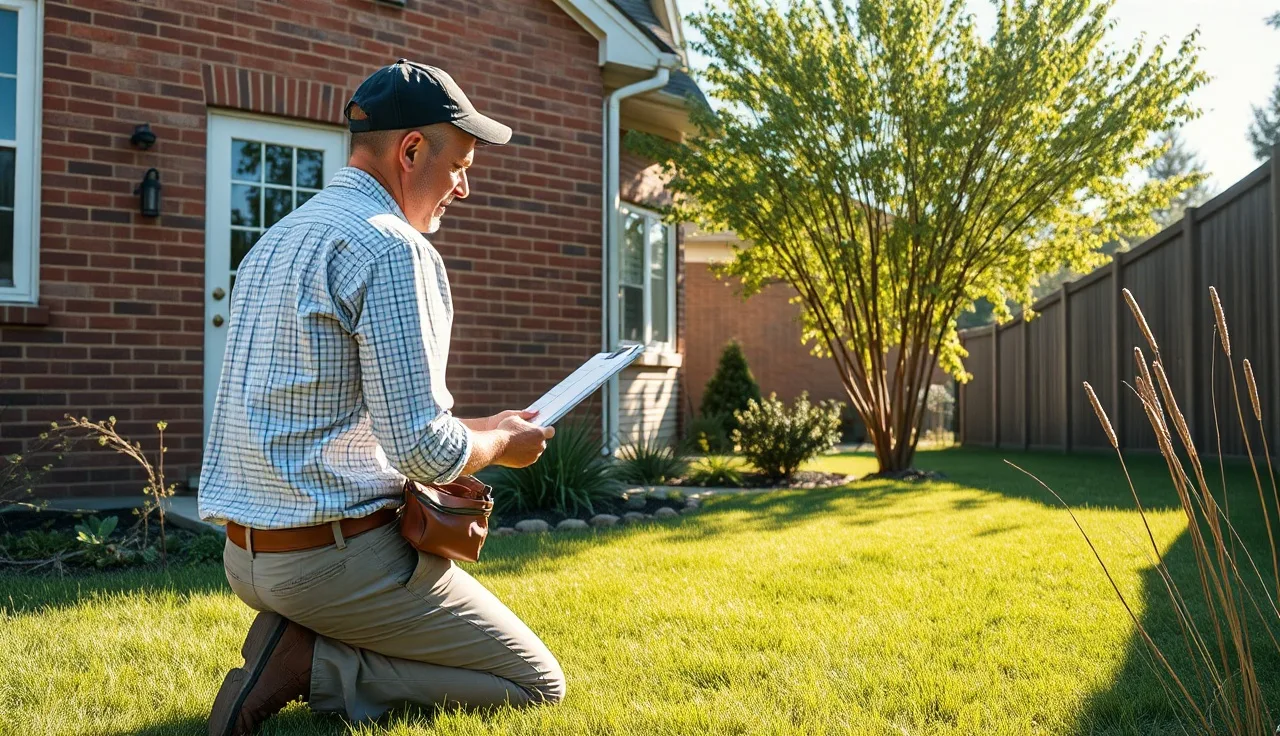
A full appraisal means a licensed appraiser visits your property, walks every room, measures the structure, notes condition problems the assessor missed, photographs defects, and writes a report documenting all of it [2]. The physical inspection is the whole difference. Everything else can look identical on paper.
That inspection matters for one blunt reason: the assessor almost certainly never went inside your house. Most mass appraisal systems assign interior condition based on neighborhood averages and whatever the permit office recorded last [10]. If your kitchen is original 1978 laminate while the assessor's card says "average updated," a full appraisal captures that gap in photographs and a narrative a review board finds hard to wave off.
Full appraisals follow USPAP (Uniform Standards of Professional Appraisal Practice) scope-of-work rules that run more demanding than desktop engagements [2]. That extra credibility costs money. A full residential appraisal in most U.S. markets runs $350 to $800 and can top $1,200 in high-cost metros like San Francisco or Manhattan [6]. A desktop from the same appraiser for the same property usually runs $150 to $400.
Which one actually wins at a property tax appeal board?
Boards accept both. They just weigh them differently.
Most county boards of equalization, appraisal review boards, and assessment appeal boards accept any written opinion of value from a state-licensed or state-certified appraiser. The Illinois Property Tax Appeal Board accepts appraisals as evidence without dictating inspection type. Texas appraisal review boards under Tax Code Section 41.43 treat any certified appraisal as acceptable evidence [5]. The board's job is to weigh your evidence against the assessor's.
A desktop appraisal wins plenty of residential appeals, especially when the core argument is market value, not physical condition. If your house is assessed at $420,000 and three comparable homes sold for $370,000 to $385,000, a clean desktop appraisal documenting those comps is often the whole ballgame. The license and the comps do the heavy lifting.
Here is where a desktop loses ground. When the assessor's rep or the board's own appraiser pushes on condition, you have nothing to counter with. If they say "we rated this property as good condition" and you never inspected, the board has no photo of the cracked foundation, no room-by-room adjustment, no on-the-ground support for a lower rating. You're arguing with your hands empty.
The other place full appraisals almost always pay off is commercial and income-producing property. A board reviewing a $3 million building wants a certified general appraiser who walked the space, read the leases, and ran an income approach. A desktop rarely carries that weight [see /articles/commercial-property/hennepin-county-property-tax and /articles/commercial-property/nyc-property-tax for how large-jurisdiction boards treat commercial evidence].
How much do desktop versus full appraisals cost for a tax appeal?
Cost ranges swing with region, property type, and appraiser. The figures below reflect typical residential fees from HomeAdvisor cost survey data as of 2024 [6]. Commercial fees run much higher.
| Appraisal type | Typical residential fee | Typical commercial fee |
|---|---|---|
| Desktop (no inspection) | $150, $400 | $400, $900 |
| Drive-by / exterior only | $200, $500 | $500, $1,200 |
| Full (interior + exterior) | $350, $800 | $1,500, $5,000+ |
For a residential property assessed $50,000 over market value, a successful appeal might save you $600 to $1,500 a year depending on your local rate. In that math, spending $300 on a desktop is a no-brainer. Spending $650 on a full appraisal still makes sense, because the expected payoff sits well above the fee.
Here is where homeowners burn money: hiring a full appraiser for a $180,000 house with a $10,000 overassessment. The annual savings from fixing that might be $150. A $650 appraisal takes over four years to break even. For small overassessments on modest homes, a strong comparable sales analysis with no appraisal at all is often the right move. Many jurisdictions let homeowners submit their own comp grids without a licensed appraisal, and boards grant reductions on that evidence all the time.
When should you choose a desktop appraisal over a full one?
Choose a desktop when the fight is about comparable sales, not your home's physical condition. That covers most residential appeals. Your assessor used the wrong comps, or pulled sale prices from a peak market that has since corrected. A licensed appraiser finds better-matched sales, applies proper adjustments for square footage and lot size, and hands you a credible report for under $400.
A desktop also fits when your property is in good shape and the assessor's condition rating is fair. You're not claiming the house is worse than recorded. You're claiming the neighborhood market doesn't support the assessed value. The inspection adds almost nothing to that argument.
Then there's timeline. Full appraisals often mean scheduling 2 to 3 weeks out, plus report turnaround. A desktop can land in 5 to 10 business days. If your appeal deadline is bearing down, a desktop may be the only thing that fits [for deadline specifics by state, see /articles/appeal-process/cook-county-tax-assessor-tax-bill].
One more rule of thumb. If your home is under roughly $400,000 in assessed value and the overassessment falls between $20,000 and $60,000, the math almost always favors the desktop. You keep more of your savings.
When does a full appraisal make the stronger case?
Pay for the full appraisal in four situations.
First: you think the assessor's condition rating is wrong. They rated your property "good" or "very good" while the roof needs replacement, the HVAC is original, the basement takes on water, or the layout has functional obsolescence (picture a 4-bedroom house with one bathroom). These adjustments can move value by 5 to 15 percent, but you only prove them with inspection photos and an appraiser who was physically there.
Second: your property is worth more than roughly $700,000. At that level the overassessment potential is large, the savings justify the fee, and boards expect sturdier evidence. An assessor's rep on a $1.2 million home will not fold to a desktop report if they trust their own data.
Third: you already appealed with comps alone and lost. If the board called your evidence thin last cycle, a full appraisal with an appraiser who can appear and testify is often the upgrade that flips it.
Fourth: you own commercial, industrial, or income-producing property. A full commercial appraisal by a certified general appraiser is the baseline. The income approach, direct capitalization, and lease-by-lease analysis behind a commercial appeal can't happen without property access [see /articles/commercial-property/la-county-property-tax and /articles/commercial-property/santa-clara-property-tax for how California's Assessment Appeals Boards handle commercial evidence].
Does the appraiser's license level matter for a tax appeal?
Yes. In a lot of cases it matters more than inspection type.
The Appraisal Qualifications Board sets four credential levels: Trainee, Licensed Residential, Certified Residential, and Certified General [3]. For a residential property under $1 million, a Certified Residential Appraiser is enough and is the most common hire. For commercial property or homes over certain thresholds, a Certified General Appraiser is required.
Most state boards don't mandate a specific license level for tax appeals. They want the appraiser state-licensed, the report USPAP-compliant, and the appraiser available to testify if asked. What sharp assessors do challenge is a Licensed Residential appraiser (the lowest license for independent work) signing off on a complex commercial property, or a Certified Residential appraiser opining far outside their competency. Boards notice credential problems and sometimes discount the report because of them.
Match the license to the property. Certified Residential for single-family homes under $1 million. Certified General for everything else.
Can you use a desktop appraisal at every stage of the appeal process?
Not always, and this catches homeowners off guard.
The informal level (a first meeting with an assessor's rep or an administrative review) almost always accepts a desktop appraisal, a comp grid, or even a well-organized homeowner presentation. Most appeals settle here, and the evidence bar sits low.
The formal hearing level (a county board of equalization, assessment appeals board, or appraisal review board) accepts desktop appraisals in most states but may require the appraiser to appear and answer questions under oath. If your appraiser produced the desktop but won't testify, or charges a steep appearance fee, factor that in now.
State tax court or circuit court is where the standards tighten hard. Courts run property tax cases under the same evidentiary rules as other civil matters. A desktop can still get admitted, but opposing counsel will cross-examine the appraiser on the missing inspection. In that room, a full appraisal is far more defensible.
Most residential appeals never reach court. Roughly speaking, most settle at the informal or board level [11]. If yours does escalate, it probably involves enough money to justify the full appraisal cost several times over. For how the process runs in specific large jurisdictions, see /articles/appeal-process/gwinnett-county-tax-assessor and /articles/appeal-process/bexar-county-tax-assessor.
How do you find an appraiser who does tax appeal work?
Not every appraiser likes tax appeal work, and some avoid it because of the testimony requirement and lower fees than mortgage work. So ask straight out: "Do you do appraisals for property tax appeals, and will you testify before the board if requested?"
The Appraisal Institute keeps a public directory of its members [7]. Searching for MAI (Member of the Appraisal Institute) designees in your county is a solid way to find experienced commercial and litigation appraisers. For residential work, a Certified Residential appraiser without the MAI designation is fully capable and usually cheaper.
Local real estate attorneys who handle tax appeals often keep appraiser relationships and hand out referrals. County assessor offices sometimes publish lists of local appraisers, though using an appraiser your assessor recommends has obvious awkward optics.
When you call, ask for a quote that spells out the appraisal report fee, the scope (desktop or full), and the testimony fee if the hearing needs it. Appearance fees commonly run $150 to $400 per hour. Get that number before you commit.
What should a desktop appraisal report include to hold up at a hearing?
A desktop appraisal for a tax appeal needs these elements to get taken seriously by a board.
The appraiser's license number and state certification. Non-negotiable. A board will not credit an unlicensed opinion.
A clear effective date of value. For a tax appeal you almost always want this to match the assessment date (often January 1 of the tax year in question), not today. An appraisal dated six months after the lien date can get challenged as irrelevant to the proper valuation date.
A sales comparison approach with at least three comparable sales, ideally closed within 12 months of the effective date and within one mile for urban properties (or a reasonable substitute distance for rural). Each comp should show gross living area adjustments, condition adjustments, and location adjustments.
Documented data sources. Cite the assessor's parcel data, MLS records, or public deed records so the board can verify the inputs.
A USPAP compliance statement. Without it, opposing counsel will attack the report's reliability.
The value estimate as a single number (or a narrow range), compared right against the assessed value. Put the overassessment amount on the face of the report where nobody can miss it.
If you're building your own package without an appraisal, TaxFightBack's appeal kit walks through the same comparable sales structure an appraiser would use, so your self-prepared evidence follows the logic boards expect.
What about hybrid appraisals, drive-by appraisals, and AVM reports?
Three options sit between a full appraisal and a desktop, and people mix them up constantly.
A drive-by appraisal (exterior-only inspection) has the appraiser photograph the outside and note condition from the street, then value the property from the same secondary data as a desktop. It costs a little more, usually $200 to $500 for residential, and adds the exterior condition observation without you scheduling interior access. It's a fair middle ground if your argument touches on exterior deterioration (deferred maintenance, siding, roof condition visible from the curb) but not interior issues.
A hybrid appraisal pairs a licensed appraiser's valuation with a separate property data collector (often not a licensed appraiser) who does the walk-through. Freddie Mac formalized this model after 2020 [12]. For tax appeals, hybrids are uncommon and can raise a board's eyebrow about who actually inspected the property. If condition is your argument, it's cleaner to have the signing appraiser do the inspection.
An AVM (Automated Valuation Model) report from a data company like CoreLogic is not an appraisal and is not signed by a licensed appraiser [8]. AVM output helps your own research and your decision on whether to appeal. It is not acceptable substitute evidence at a formal board hearing. The assessor's own AVM is what you're fighting anyway. Submitting a different one just starts a data argument with no clear winner.
How does this choice play out in specific large jurisdictions?
Local rules vary enough that where you appeal shapes the answer. Here's the evidence landscape in a few large counties.
Cook County, Illinois runs a multi-step process: informal review, Board of Review hearing, then the state PTAB. The Board of Review accepts desktop appraisals and comp grids. PTAB, the state-level tribunal, has formal evidentiary rules and prefers full appraisals for anything genuinely contested [see /articles/appeal-process/cook-county-tax-assessor-tax-bill for Cook's deadlines and filing rules].
Texas appraisal review boards run under Tax Code Section 41.43, which lets a property owner present "any evidence" relevant to value [5]. In practice, ARB panels in Harris and Dallas see desktop appraisals routinely and accept them. Where Texas ARBs push back is on commercial property and homes where the district already has interior data from a prior appraisal.
California assessment appeals boards work under Revenue and Taxation Code Section 1604, which sets the burden of proof and evidence standards [9]. California boards accept desktop appraisals, but appraisers get asked, routinely, whether they physically inspected. In Los Angeles County's flood of appeals, well-documented desktop work gets the job done for most residential cases [see /articles/appeal-process/los-angeles-county-property-tax for LA filing procedures].
Montgomery County, Maryland, one of the largest assessment markets on the East Coast, lets homeowners present any evidence of market value at the Property Tax Assessment Appeal Board level. Desktop appraisals have won there, especially for townhome and condo appeals where interior comparability varies less [see /articles/assessments-explained/montgomery-county-property-tax for Maryland's assessment cycles].
What is the single biggest mistake people make choosing between these two options?
Hiring an appraiser before you understand what the assessor's evidence actually looks like.
Before you spend a dollar, pull your property record card from the assessor's office. It's public record in every state and usually online. Read it. Check every field: gross living area, bedroom and bathroom count, year built, condition rating, and any physical detail the assessor recorded that drives your value.
If the card has errors, your appeal starts there, and you may not need an appraisal at all. Many jurisdictions grant a reduction for a documented factual error (recorded square footage of 2,200 when your house is actually 1,850) with no appraisal report at all.
If the card is accurate but the assessor's comps are wrong, a desktop appraisal with better comps is the right tool.
If the card is accurate, the comps are reasonable, but your house has condition problems the mass appraisal system never caught, that's when the full appraisal earns its fee.
The mistake is defaulting to the full appraisal because it feels more serious, without diagnosing which of those three problems you actually have. The $400 you save going desktop, on a case where comps alone win, is $400 you keep.
Frequently asked questions
Can I submit a desktop appraisal without hiring an appraiser at all, using my own comparable sales analysis?
Yes, in most jurisdictions. A homeowner-prepared comparable sales analysis is accepted at informal reviews and many formal board hearings. It carries less weight than a licensed appraiser's report, but boards routinely grant reductions based on well-organized homeowner evidence. The risk: the assessor's rep can challenge your methodology, and no licensed credential backs your numbers.
How old can a desktop appraisal be and still be used at a tax appeal hearing?
The effective date (the date of value opinion) should match the assessment date, typically January 1 of the tax year under appeal. The report can be prepared later but must state it is retrospective and explain why the sales data supports a January 1 value. Boards grow skeptical when the effective date sits more than 12 months before the hearing, because the market may have shifted. Check your state's rules on the valuation date.
Does a desktop appraisal comply with USPAP?
It can, if a licensed appraiser documents the scope of work and data limitations properly. USPAP requires the appraiser to disclose that no inspection was performed and explain how that limitation affects the opinion's reliability. A compliant desktop report includes that disclosure and conforms to USPAP. An AVM printout or a Zillow estimate is not a USPAP-compliant appraisal.
What is the difference between a certified residential appraiser and a certified general appraiser for tax appeal purposes?
A certified residential appraiser can appraise non-complex residential properties of any value and complex ones up to $1 million. A certified general appraiser has no property type restrictions and is required for commercial, industrial, and multi-family properties over certain thresholds. For residential appeals over $1 million or any commercial property, the certified general credential is the right choice and adds credibility with review boards.
Will the assessor's office see my appraisal before the hearing?
In most states, evidence exchange rules require you to submit your appraisal to the board and the assessor's rep before the hearing, often 10 to 21 days ahead. Texas ARB rules require pre-hearing exchange of evidence [5]. So the assessor sees your appraisal and prepares counterarguments. A strong report actually benefits from this, because a solid comparable sales analysis often triggers a pre-hearing settlement offer.
Can the assessor challenge a desktop appraisal at the hearing?
Yes, and they'll aim at one thing: the appraiser never inspected the property, so the condition rating leans on the assessor's own data, which guts any condition-based argument. If your appeal is purely about comparable sales and market value, that challenge has limited force. If condition is part of your case and you went desktop, be ready for the appraiser to explain the data basis for any condition adjustments they made.
How much can a successful appraisal-supported appeal actually save me per year?
Savings depend on your effective tax rate and the size of the reduction. At a 1.5% effective rate (near the national average), a $50,000 reduction saves $750 a year. At 2.5% (common in Illinois, New Jersey, and Texas), the same reduction saves $1,250 a year. Those savings recur every year until the next reassessment, so the appraisal fee spreads across multiple years.
Is a desktop appraisal accepted in Texas appraisal review board hearings?
Yes. Texas Tax Code Section 41.43 lets a property owner present any evidence relevant to market value, and certified appraisal reports without physical inspections are regularly accepted by ARBs statewide [5]. Large-county ARBs in Harris, Dallas, and Tarrant process thousands of appraisal-supported appeals a year, and desktop reports appear among them. The appraiser must be state-certified, and the report must reflect the January 1 valuation date.
What if my property has unpermitted additions, will a full appraisal hurt my case?
It can. A full appraisal requires the appraiser to report observed square footage and features, including additions. If an addition is unpermitted, the appraiser must note it and may adjust value accordingly. In some jurisdictions, a flagged unpermitted addition triggers an assessor review that could raise your assessment. For properties with unpermitted work, talk to a tax attorney before ordering any appraisal.
Can I get a desktop appraisal done in less than two weeks?
Often yes. Desktop appraisals move faster than full ones because there's no inspection to schedule. Many residential appraisers deliver a desktop report in 5 to 10 business days once engaged, and some offer rush delivery in 3 to 5 days for an extra fee. Full appraisals typically take 2 to 4 weeks from inspection to final report. If your deadline is close, confirm turnaround before committing.
Does a desktop appraisal from Zillow or an online AVM count?
No. Zillow's Zestimate and similar AVM outputs are not appraisals, are not signed by a licensed appraiser, and do not comply with USPAP. Boards do not treat them as evidence of value. They help your initial research on whether an appeal makes sense, but submitting AVM output at a formal hearing adds no credibility and can make your presentation look uninformed.
Should I use the same appraiser who did my purchase appraisal?
You can, if the purchase was close in time to the assessment date. The upside is the appraiser already has a file on your property. The downside is that if the purchase appraisal value came in near or above your assessed value, the appraiser's prior opinion becomes a problem. A different appraiser working only from the tax appeal brief has no prior opinion to reconcile and can focus entirely on market value as of the assessment date.
What states let homeowners submit their own evidence without a licensed appraisal and still win?
Most states allow homeowner-submitted evidence at informal and board levels. Texas, Illinois, Georgia, California, and Maryland all permit homeowner evidence without an appraisal at the board stage. Win rates without an appraisal are lower for overassessments above $50,000, but for smaller disputes backed by strong comparable sales documentation, homeowners win regularly in every major state. The gap narrows when the homeowner's comp selection is disciplined and well-adjusted.
Sources
- Fannie Mae, Selling Guide (Uniform Appraisal Dataset and desktop appraisal definition): Fannie Mae defines a desktop appraisal as a report completed without an interior or exterior inspection of the subject property.
- Appraisal Foundation, USPAP 2024 Edition, Standards Rule 1-2: USPAP Standards Rule 1-2 defines scope of work for appraisal assignments, including the distinction between inspection and no-inspection engagements.
- Appraisal Qualifications Board, Real Property Appraiser Qualification Criteria 2023: The AQB establishes four appraiser credential levels: Trainee, Licensed Residential, Certified Residential, and Certified General, with Certified General required for complex commercial properties.
- Texas Legislature, Tax Code Section 41.43 (Protest Procedures): Texas Tax Code Section 41.43 allows a property owner to present any evidence relevant to market value before an appraisal review board.
- HomeAdvisor, Cost to Hire an Appraiser (2024 survey data): Typical full residential appraisal fees range from $350 to $800; desktop appraisals typically cost $150 to $400 based on national survey data.
- Appraisal Institute, Find an Appraiser Directory: The Appraisal Institute maintains a public directory of MAI-designated appraisers searchable by county and property type.
- CoreLogic, AVM Product Disclosure Documentation: AVM output is a statistical model estimate, not a USPAP-compliant appraisal, and is not signed by a licensed appraiser.
- California State Board of Equalization, Revenue and Taxation Code Section 1604: California Revenue and Taxation Code Section 1604 defines the burden of proof and evidence requirements for assessment appeals board proceedings.
- Lincoln Institute of Land Policy, Property Tax Assessment Practices in the United States (2021): Mass appraisal systems assign interior condition based on neighborhood averages and permit data; physical inspection rates in reassessment cycles are typically low.
- National Taxpayers Union Foundation, Property Tax Assessment Appeal Guide (2023): Most residential property tax appeals settle at the informal or board level and do not reach state tax court.
- Freddie Mac, Automated Collateral Evaluation and Hybrid Appraisal Documentation (2022): Freddie Mac formalized the hybrid appraisal model post-2020, pairing a licensed appraiser's valuation with a separate property data collector for the physical inspection.