What Is a Tax Parcel? How Properties Are Divided for Tax Purposes
TL;DR
A tax parcel is the basic unit of property for taxation purposes. Every piece of taxable land has its own parcel, identified by a unique parcel number. One parcel equals one tax bill. Parcels can be split (divided into smaller parcels) or combined (merged into one). The parcel boundaries determine which taxing jurisdictions apply to the property. When you buy a home, you are buying one or more tax parcels. If you own multiple parcels, you get multiple tax bills. The assessor values each parcel separately.
A tax parcel is a contiguous piece of land under common ownership, identified in the county's records with a unique parcel number. Here is what you should know about what Is a Tax Parcel? How Properties Are Divided for Tax Purposes.
Start by gathering the basic facts about your property: its assessed value, the tax rate in your jurisdiction, and any exemptions currently applied. Then compare your situation to what is available. You may find opportunities for savings that you did not know existed.
What Defines a Parcel
A tax parcel is a contiguous piece of land under common ownership, identified in the county's records with a unique parcel number. Each parcel has:
- A unique identification number
- Legal boundaries described by metes and bounds, lot and block, or section-township-range
- An individual assessment and tax bill
- A classification (residential, commercial, agricultural)
Understanding this topic fully means looking at both the big picture and the specific details that apply to your situation. Every property is different, and the strategies that save the most money are the ones tailored to your particular home, location, and circumstances.
Start by gathering the basic facts about your property: its assessed value, the tax rate in your jurisdiction, and any exemptions currently applied. Then compare your situation to what is available. You may find opportunities for savings that you did not know existed.
One Parcel, One Tax Bill
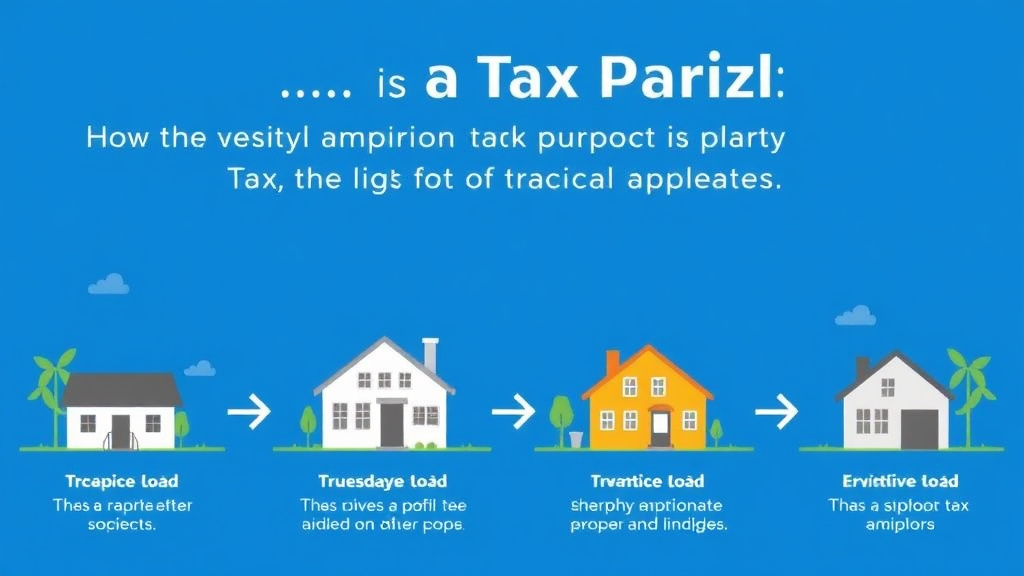
The general rule is one parcel equals one tax bill. If your home sits on one parcel, you get one bill. If your property consists of two parcels (common with larger lots, corner properties, or adjoining parcels), you get two separate bills with potentially different values.
Even if you are appealing your assessment, you typically must pay your tax bill on time. Failing to pay while appealing can trigger penalties and interest charges that offset any savings from a successful appeal. Pay the amount due, and if your appeal succeeds, you will receive a refund or credit for the overpayment.
If paying the full amount creates a hardship, check whether your jurisdiction offers installment plans or partial payment options. Some counties allow you to pay the undisputed portion while your appeal is pending.
Splitting and Combining Parcels
Splitting
Dividing a parcel into two or more smaller parcels requires county approval (usually through the planning/zoning department). Reasons include selling a portion of land, building additional homes, or creating development lots. Each new parcel gets its own number and assessment.
Combining
Merging adjacent parcels into one requires a request to the county. Reasons include simplifying tax records, creating a single lot for development, or reducing the number of tax bills. The combined parcel gets a single assessment.
Understanding this topic fully means looking at both the big picture and the specific details that apply to your situation. Every property is different, and the strategies that save the most money are the ones tailored to your particular home, location, and circumstances.
Start by gathering the basic facts about your property: its assessed value, the tax rate in your jurisdiction, and any exemptions currently applied. Then compare your situation to what is available. You may find opportunities for savings that you did not know existed.
Parcel Boundaries and Taxing Jurisdictions
Your parcel's location determines which taxing authorities (county, city, school district, special districts) apply. A parcel that crosses a city boundary may be subject to different rates on different portions. Parcels near boundary lines should verify they are being taxed by the correct jurisdictions.
If you believe your parcel is assigned to the wrong taxing jurisdiction, contact the assessor's office. This can result in a significant tax reduction if you are being charged a higher rate than applies to your actual location.
Check your parcel's assessment with our free property tax analyzer.
Understanding this topic fully means looking at both the big picture and the specific details that apply to your situation. Every property is different, and the strategies that save the most money are the ones tailored to your particular home, location, and circumstances.
Start by gathering the basic facts about your property: its assessed value, the tax rate in your jurisdiction, and any exemptions currently applied. Then compare your situation to what is available. You may find opportunities for savings that you did not know existed.
Your Next Steps
Do not let this information sit. Take action this week:
- Review your most recent assessment notice. Pull it out and check every line. Look for errors in square footage, lot size, bedroom count, and property features. Mistakes here are more common than most homeowners realize.
- Pull comparable sales data. Find 3 to 5 similar properties near you that sold recently. If they sold for less than your assessed value, you have the foundation of a strong appeal.
- Check your exemption status. Contact your county assessor's office and confirm which exemptions are currently applied to your property. Many homeowners qualify for exemptions they have never filed for.
- Set a deadline reminder. Find your appeal deadline and put it on your calendar with a 2-week advance warning. Missing the deadline costs you a full year of potential savings.
Try our free tools
Frequently Asked Questions
What Is a Tax Parcel? How Properties Are Divided for Tax Purposes?
A tax parcel is the basic unit of property for taxation purposes. Every piece of taxable land has its own parcel, identified by a unique parcel number. One parcel equals one tax bill. Parcels can be split (divided into smaller parcels) or combined (merged into one). The parcel boundaries determine which taxing jurisdictions apply to the property. When you buy a home, you are buying one or more parcels.
What Defines a Parcel?
A tax parcel is a contiguous piece of land under common ownership, identified in the county's records with a unique parcel number. Each parcel has:
How do parcel boundaries affect my taxes?
Your parcel's location determines which taxing authorities (county, city, school district, special districts) apply. A parcel that crosses a city boundary may be subject to different rates on different portions.
Can I split or combine my parcel?
Splitting a parcel into two or more smaller parcels requires county approval (usually through the planning/zoning department). Reasons include selling a portion of land, building additional homes, or creating development lots. Each new parcel will have its own tax assessment.
Why are parcel boundaries important for taxes?
Your parcel's location determines which taxing authorities (county, city, school district, special districts) apply. Parcels near boundary lines should be verified to ensure you're being taxed correctly.