How to Lower Property Taxes in Georgia: Every Method Available
TL;DR
The practical side of how to Lower Property Taxes in Georgia: Every Method Available is what matters most. Getting clear on how to lower property taxes in georgia: every method available saves time and frustration.

Getting clear on how to lower property taxes in georgia: every method available saves time and frustration. Understanding method 1: file for homestead exemption starts with the basics. Let's walk through it.
Here is every method available to reduce your Georgia property tax bill in 2026.
Method 1: File for Homestead Exemption
Georgia offers a statewide homestead exemption that removes $2,000 from your assessed value. But the real savings come from county and city exemptions. Fulton County, for example, offers additional exemptions that can remove $30,000 or more from your assessed value. DeKalb County, Gwinnett County, and Cobb County each have their own additional homestead exemptions. You must own and occupy the property as your primary residence as of January 1 and file with your county tax commissioner.
Method 2: Appeal Your Assessment
Georgia homeowners can appeal their property tax assessment within 45 days of receiving their notice. Start by filing an appeal with your county Board of Tax Assessors. If unsatisfied, escalate to the County Board of Equalization, then Superior Court. For a detailed walkthrough, see our Georgia property tax appeal guide.
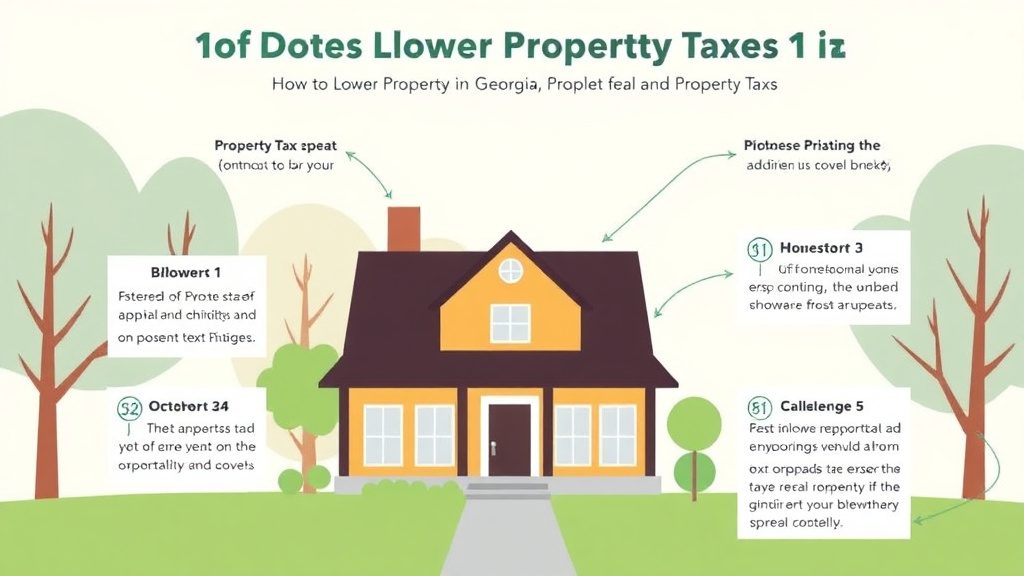
Method 3: Claim Senior and Disability Exemptions
Homeowners 62 and older may qualify for additional exemptions that reduce or eliminate school taxes. In some counties, seniors 65+ with income under certain thresholds can be completely exempt from school taxes. Disabled homeowners and disabled veterans also qualify for additional exemptions. Check with your county tax commissioner for specific amounts.
Method 4: Check for Assessment Errors
Georgia assessors use mass appraisal systems that can contain errors in square footage, lot size, bedroom/bathroom count, or property condition. Review your property card at the county assessor office and correct any mistakes.
Method 5: Apply for Agricultural or Conservation Use Valuation
If your property qualifies as bona fide agricultural or conservation use land, it can be assessed at its current use value rather than fair market value. This can reduce land taxes by 50-90%. You must apply with the county and maintain the qualifying use for at least 10 years.
How Much Can You Save?
| Strategy | Potential Annual Savings |
|---|---|
| Homestead Exemption | $200-$2,000+ |
| Assessment Appeal (10% reduction) | $247+ |
| Senior/Disability Exemptions | $500-$5,000+ |
| Correcting Property Record Errors | $100-$1,000+ |
These strategies stack. You can claim exemptions and appeal your assessment at the same time. The combined savings can be significant.
How TaxFightBack Can Help
Building a strong appeal case takes time. You need comparable sales data, equity analysis, and an understanding of your county specific process. TaxFightBack handles all of this for $79, generating a complete evidence packet with comparable sales, county-specific filing instructions, and step-by-step guidance for your Georgia county. It covers all Georgia counties and takes minutes, not hours.
The Georgia Appeal Process: Timeline and What to Expect
Understanding the full appeal timeline helps you plan ahead and avoid getting caught off guard. Here is how a typical Georgia property tax appeal plays out from start to finish.
Step 1: Receive Your Assessment Notice
Your county assessor mails your assessment notice, usually once a year. This document shows the assessed value of your property for the upcoming tax year. Read every detail on it. Check the property description, square footage, lot size, and any listed features. Errors here are more common than you might think, and they directly inflate your tax bill.
Step 2: File Your Appeal
In Georgia, appeals go to the county Board of Tax Assessors and Board of Equalization. You will need to complete a formal petition or protest form. Most counties accept these online or in person. The form asks for your parcel number, current assessed value, the value you believe is correct, and a brief explanation of why. Keep the explanation factual. Stick to evidence, not opinions about whether your taxes are fair.
Step 3: Prepare Your Evidence Package
Between filing and your hearing date, assemble your case. The strongest evidence is comparable sales data showing similar homes sold for less than your assessed value. Supplement this with photos of your property's condition, documentation of any needed repairs, and your property record card with errors highlighted. Organize everything clearly so the review board can follow your argument in a few minutes.
Step 4: Attend Your Hearing
Most Georgia appeals begin with an informal review. This is a conversation, not a trial. Present your comparable sales first since that is what carries the most weight. Be prepared to answer questions about your property and your comparisons. Stay calm and stick to facts. If the informal review does not resolve your case, you may have the option to proceed to a formal hearing or a higher appeal body.
Step 5: Receive the Decision
After the hearing, the board issues a written decision. If they reduce your assessment, the reduction applies to your current tax year and typically carries forward until the next reassessment. If they deny your appeal, you usually have the right to escalate to a state-level board or court, though this adds time and complexity.
Try our free tools
Frequently Asked Questions
What is the easiest way to lower property taxes in Georgia?
File for every exemption you qualify for. Many homeowners miss exemptions they are entitled to simply because they never applied. Check with your county assessor office for a complete list of available exemptions.
How often should I appeal my property tax assessment?
Check your assessment every year. If it seems too high compared to what your home would actually sell for, or compared to similar homes in your area, file an appeal. There is generally no penalty for appealing, and your assessment cannot go up as a result.
Can I lower my property taxes without appealing?
Yes. Exemptions, credits, and property record corrections can all reduce your taxes without going through the formal appeal process. Start with exemptions, then consider an appeal if your assessed value is still too high.
What is the deadline to appeal property taxes in Georgia?
The appeal deadline is within 45 days of the notice of assessment. Check with your county for the exact date, as some deadlines vary by locality.
Do I need professional help to lower my property taxes?
Most homeowners can handle exemption applications and basic appeals on their own. For complex situations or high-value properties, professional assistance may be worth the cost. TaxFightBack provides the data and guidance you need for $79, without hiring an attorney or consultant.
Start Lowering Your Georgia Property Taxes
Every year you overpay is money you do not get back. Start with exemptions, check your property record for errors, and if your assessment looks too high, file an appeal. Use TaxFightBack to build your case and take control of your property tax bill.