Property Tax Appeal With Environmental Issues: Contamination, Noise, and More
TL;DR
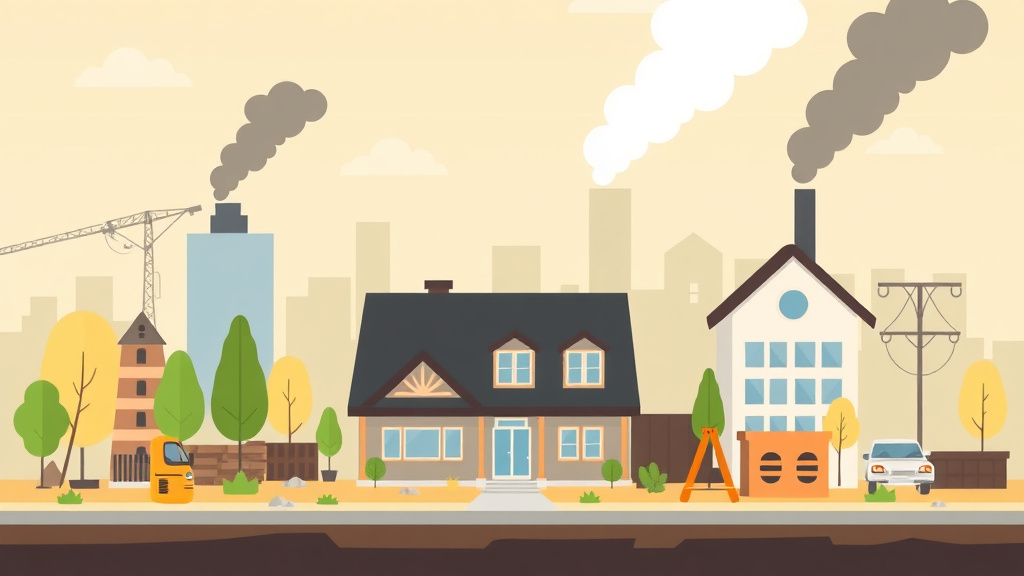
Environmental problems reduce property values. Soil contamination, water pollution, excessive noise, air quality issues, and proximity to environmental hazards all justify a lower assessment. Document the specific issue with testing reports, government records, or professional assessments. Show how the environmental problem affects what buyers would pay by comparing sales of properties with and without similar issues.
Most guides on property Tax Appeal With Environmental Issues: Contamination, Noise, and More skip the details that matter. The most effective strategy combines multiple approaches.
Keep your tone professional and factual. Review boards respond to evidence, not complaints. If you walk in with 3 strong comparable sales and a calm, organized presentation, you are already ahead of most appellants.
Environmental Issues That Reduce Property Value
| Issue | Typical Value Impact | Documentation Needed |
|---|---|---|
| Soil contamination | 10-25% or more | Environmental assessment, remediation estimates |
| Underground storage tank | 5-15% | Tank records, testing results |
| Noise (highway, airport, rail) | 5-10% | Noise studies, decibel measurements |
| Air quality (industrial neighbor) | 5-15% | EPA records, air quality data |
| Water contamination | 10-20% | Water testing reports |
| Radon | 2-5% | Radon test results, mitigation estimates |
| Asbestos/lead paint | 3-8% | Testing reports, remediation estimates |
The most effective strategy combines multiple approaches. Start with exemptions since they are free to file and provide guaranteed savings if you qualify. Then check your property record for errors since corrections are straightforward and hard for the assessor to dispute. Finally, if your assessed value still exceeds your home's market value, file a formal appeal with comparable sales data.
Each of these steps compounds. A homeowner who claims an overlooked exemption, corrects a square footage error, and wins an appeal on comparable sales can reduce their annual tax bill by 20% or more. That savings repeats every year until the next reassessment.
Building Your Environmental Appeal
Document the Problem
Get professional testing or reports documenting the specific environmental issue. Government records from the EPA, state environmental agency, or local health department can also document known contamination or hazards.
Show Value Impact
Compare sales of properties with known environmental issues to similar properties without issues. The price difference demonstrates the market's actual discount for environmental problems.
Include Remediation Costs
If the problem can be fixed, get cost estimates for remediation. These costs directly reduce what a buyer would pay for the property.
For noise and proximity issues specifically, see our busy road appeal guide.
The appeal process is designed to be accessible to regular homeowners, not just attorneys and tax professionals. You do not need to hire anyone to file. The key is preparation. Gather your evidence before the hearing, organize it clearly, and practice presenting your case in under 10 minutes. Lead with comparable sales, then cover any property record errors, and finish with photos or documentation of condition issues.
Keep your tone professional and factual. Review boards respond to evidence, not complaints. If you walk in with 3 strong comparable sales and a calm, organized presentation, you are already ahead of most appellants.
Your Next Steps
Do not let this information sit. Take action this week:
- Review your most recent assessment notice. Pull it out and check every line. Look for errors in square footage, lot size, bedroom count, and property features. Mistakes here are more common than most homeowners realize.
- Pull comparable sales data. Find 3 to 5 similar properties near you that sold recently. If they sold for less than your assessed value, you have the foundation of a strong appeal.
- Check your exemption status. Contact your county assessor's office and confirm which exemptions are currently applied to your property. Many homeowners qualify for exemptions they have never filed for.
- Set a deadline reminder. Find your appeal deadline and put it on your calendar with a 2-week advance warning. Missing the deadline costs you a full year of potential savings.
Why Most Homeowners Overpay
Studies consistently show that a large percentage of residential properties are over-assessed. The Lincoln Institute of Land Policy found that roughly 40% of assessments are off by more than 10%. That is not a rounding error. On a $350,000 home, a 10% overvaluation means you are paying taxes on $35,000 of value that does not exist.
The reason is simple: assessors use mass appraisal models to value thousands of properties at once. They cannot inspect every home individually. The models rely on averages, which means homes that are below average in condition, location, or desirability often get assessed too high. If your home has any characteristics that reduce its value compared to the average home in your area, your assessment may be inflated.
The only way to fix this is to check your assessment yourself. Compare it to actual sales of similar properties. If the numbers do not match, file an appeal. The process exists for exactly this purpose, and homeowners who use it save an average of $1,000 to $3,000 per year.
Appealing does not increase your assessment. In most jurisdictions, the review board can only lower your value or leave it unchanged. There is no downside to filing a well-prepared appeal.
Protecting Your Property Tax Savings Long-Term
Winning an appeal or securing an exemption is the first step. Keeping those savings requires ongoing attention. Here is what to do after you succeed.
Monitor your assessment every year. Even after a successful appeal, the assessor can raise your value in subsequent years. Check each new assessment notice and compare it to recent sales. If the value jumps back up without corresponding changes in the market, you may need to appeal again.
Renew exemptions on time. Some exemptions are permanent once filed, but others require annual renewal. Income-based programs are especially common re-application requirements. Missing a renewal deadline means losing the exemption for the entire year.
Keep records. Save copies of your appeal evidence, the board's decision, exemption applications, and each year's assessment notice and tax bill. This documentation makes future appeals easier and protects you if there is ever a dispute about your property's history.
Stay informed about changes. Property tax laws, exemption thresholds, and assessment methods change. Your county assessor's office and your state's department of revenue are the best sources for current information. Check their websites at least once a year, ideally when your assessment notice arrives.
Try our free tools
Frequently Asked Questions
How can environmental problems reduce property values?
Environmental problems such as soil contamination, water pollution, excessive noise, air quality issues, and proximity to environmental hazards can all justify a lower property assessment. Document the specific issue with testing reports, government records, or professional assessments.
How can I document the environmental problem with my property?
Get professional testing or reports documenting the specific environmental issue. Government records from the EPA, state environmental agency, or local health department can also document known contamination or hazards.
How can I show the impact of environmental problems on my property value?
Compare sales of properties with known environmental issues to similar properties without issues. The price difference demonstrates the market's actual discount for environmental problems.
What are the costs for include remediation costs?
If the problem can be fixed, get cost estimates for remediation. These costs directly reduce what a buyer would pay for the property.
How do I build a strong environmental case for my property tax appeal?
Our $79 Evidence Packet provides comparable sales analysis that you can combine with environmental documentation. Start with the free quiz to see your savings potential.
Build Your Environmental Evidence Case
Our $79 Evidence Packet provides comparable sales analysis that you can combine with environmental documentation. Start with the free quiz to see your savings potential.