Appealing Property Taxes With Structural Issues: Foundation, Roof, and Other Defects
TL;DR
Structural problems like foundation cracks, roof deterioration, water damage, and aging systems reduce your home's market value. Document each issue with photos, get repair estimates from licensed contractors, and present the total cost of needed repairs as evidence that your home is worth less than the assessor's figure. The gap between your home's condition and the comparable sales used to set your value is the basis of your appeal.
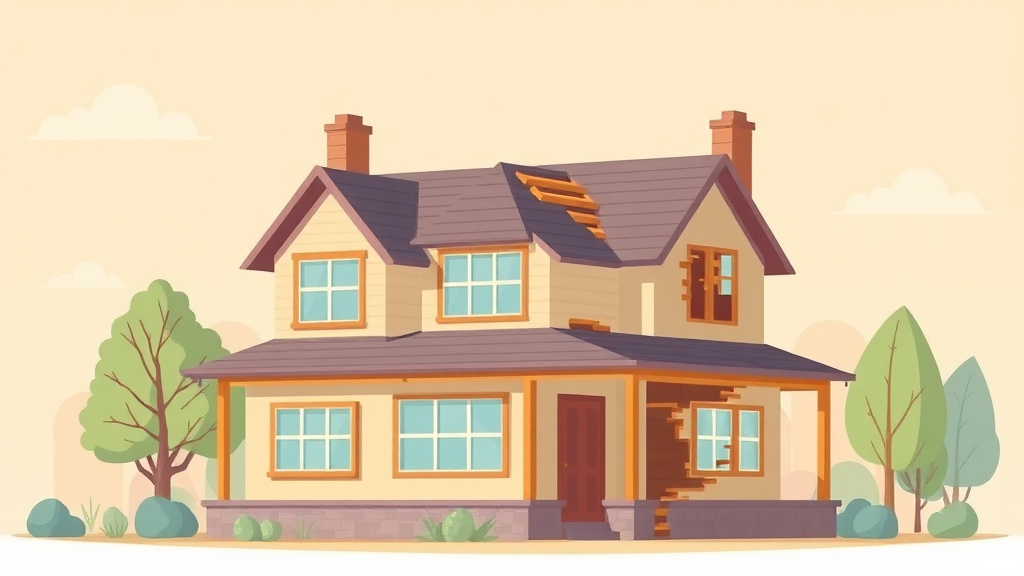
Appealing Property Taxes With Structural Issues: Foundation, Roof, and Other Defects involves more than most people expect. Market value is what a willing buyer would pay.
Keep your tone professional and factual. Review boards respond to evidence, not complaints. If you walk in with 3 strong comparable sales and a calm, organized presentation, you are already ahead of most appellants.
Why Structural Issues Lower Your Assessment
Market value is what a willing buyer would pay. A buyer looking at a home with foundation cracks, a failing roof, or water damage will either walk away or demand a steep discount. Assessors are supposed to factor in condition, but they cannot inspect every home. They often assign a "good" or "average" condition rating by default, even when the property has serious problems.
If your home has structural issues that the assessor is not accounting for, you are paying taxes on value that does not exist.
The most effective strategy combines multiple approaches. Start with exemptions since they are free to file and provide guaranteed savings if you qualify. Then check your property record for errors since corrections are straightforward and hard for the assessor to dispute. Finally, if your assessed value still exceeds your home's market value, file a formal appeal with comparable sales data.
Each of these steps compounds. A homeowner who claims an overlooked exemption, corrects a square footage error, and wins an appeal on comparable sales can reduce their annual tax bill by 20% or more. That savings repeats every year until the next reassessment.
Types of Structural Issues That Support an Appeal
Foundation Problems
Foundation cracks, settling, bowing walls, and drainage issues are among the most expensive repairs a homeowner can face. Repair costs typically range from $5,000 to $50,000 or more depending on severity. Buyers avoid homes with foundation problems, and lenders often require repairs before approving a mortgage.
Roof Deterioration
A roof nearing the end of its life (or past it) reduces value by the cost of replacement, typically $8,000 to $25,000 for a standard residential roof. If the roof is actively leaking, the impact is even greater because of potential water damage to the structure below.
Water Damage and Mold
Active water intrusion, mold remediation needs, and water-damaged materials all reduce market value. Remediation costs can range from $2,000 to $30,000+. Disclosure requirements in most states mean buyers will be told about these issues, further depressing the price.
Aging Mechanical Systems
HVAC systems, plumbing, and electrical that are at or past their useful life need replacement. While not strictly "structural," they affect value and should be included in your appeal if the assessor has not accounted for them.
| Issue | Typical Repair Cost | Impact on Value |
|---|---|---|
| Foundation repair | $5,000-$50,000 | High - scares most buyers |
| Roof replacement | $8,000-$25,000 | Moderate to high |
| Mold remediation | $2,000-$30,000 | High - disclosure required |
| Plumbing replacement | $5,000-$15,000 | Moderate |
| Electrical update | $3,000-$10,000 | Moderate |
| HVAC replacement | $5,000-$12,000 | Moderate |
How to Document Structural Issues
Photos
Take clear, well-lit photos of every issue. Include:
- Wide shots showing context
- Close-ups showing detail (cracks, water stains, mold, deterioration)
- Date stamps or a dated reference in each photo
- Labels describing what each photo shows
Contractor Estimates
Get written repair estimates from at least two licensed contractors. The estimates should include:
- Description of the problem
- Scope of repair needed
- Itemized cost estimate
- Contractor's license number
Inspection Reports
If you had a home inspection that documented the issues, include the relevant pages. A professional inspector's report carries weight with review boards.
Understanding this topic fully means looking at both the big picture and the specific details that apply to your situation. Every property is different, and the strategies that save the most money are the ones tailored to your particular home, location, and circumstances.
Start by gathering the basic facts about your property: its assessed value, the tax rate in your jurisdiction, and any exemptions currently applied. Then compare your situation to what is available. You may find opportunities for savings that you did not know existed.
Presenting Your Case
Your argument is straightforward: "The assessor values my home as if it is in average condition. It is not. These documented structural issues reduce the market value by $X. A buyer would either refuse to pay the assessed price or demand a reduction for the cost of repairs."
Combine condition evidence with comparable sales. If possible, find comps that were in good condition and show that even those sold for less than your assessment. Then argue that your home, in its current condition, is worth even less.
For more on using photos in your appeal, see our photo documentation guide.
Understanding this topic fully means looking at both the big picture and the specific details that apply to your situation. Every property is different, and the strategies that save the most money are the ones tailored to your particular home, location, and circumstances.
Start by gathering the basic facts about your property: its assessed value, the tax rate in your jurisdiction, and any exemptions currently applied. Then compare your situation to what is available. You may find opportunities for savings that you did not know existed.
Your Next Steps
Do not let this information sit. Take action this week:
- Review your most recent assessment notice. Pull it out and check every line. Look for errors in square footage, lot size, bedroom count, and property features. Mistakes here are more common than most homeowners realize.
- Pull comparable sales data. Find 3 to 5 similar properties near you that sold recently. If they sold for less than your assessed value, you have the foundation of a strong appeal.
- Check your exemption status. Contact your county assessor's office and confirm which exemptions are currently applied to your property. Many homeowners qualify for exemptions they have never filed for.
- Set a deadline reminder. Find your appeal deadline and put it on your calendar with a 2-week advance warning. Missing the deadline costs you a full year of potential savings.
Try our free tools
Frequently Asked Questions
How can structural issues affect my property tax assessment?
Structural problems like foundation cracks, roof deterioration, water damage, and aging systems reduce your home's market value. Document each issue with photos, get repair estimates from licensed contractors, and present the total cost of needed repairs.
Why Structural Issues Lower Your Assessment?
Market value is what a willing buyer would pay. A buyer looking at a home with foundation cracks, a failing roof, or water damage will either walk away or demand a steep discount. Assessors are supposed to factor in condition, but they cannot inspect every home.
What are the different types of types of structural issues that support an appeal?
Foundation cracks, settling, bowing walls, and drainage issues are among the most expensive repairs a homeowner can face. Repair costs typically range from $5,000 to $50,000 or more depending on severity. Buyers avoid homes with foundation problems, and lenders often require repairs before approving a mortgage.
How to Document Structural Issues?
Take clear, well-lit photos of every issue. Include:
What should I include when presenting my case for a property tax appeal?
Your argument is straightforward: 'The assessor values my home as if it is in average condition. It is not. These documented structural issues reduce the market value by $X.'
Build Your Evidence Packet
Our $79 Evidence Packet includes comparable sales analysis that you can combine with your condition documentation. Start with the free quiz to see if your property looks over-assessed.