How Property Tax Protests Work: The Complete Process From Start to Finish
TL;DR
A property tax protest (called an "appeal" in most states) is a formal challenge to your property's assessed value. You file a protest within the deadline (usually 30-90 days from the assessment notice), present evidence that your value is too high, and a hearing officer or board decides whether to lower it. The process is free or costs a small filing fee. You do not need an attorney. Over 50% of homeowners who protest get a reduction. The key evidence is comparable sales showing that similar properties are worth less than your assessed value.

Who Can Protest
Any property owner can protest their assessment. You do not need a reason beyond believing the value is too high. Some states (notably Texas) also allow protests on the basis of "unequal appraisal," meaning your property is valued higher than comparable properties regardless of absolute market value.
The appeal process is designed to be accessible to regular homeowners, not just attorneys and tax professionals. You do not need to hire anyone to file. The key is preparation. Gather your evidence before the hearing, organize it clearly, and practice presenting your case in under 10 minutes. Lead with comparable sales, then cover any property record errors, and finish with photos or documentation of condition issues.
Keep your tone professional and factual. Review boards respond to evidence, not complaints. If you walk in with 3 strong comparable sales and a calm, organized presentation, you are already ahead of most appellants.
When to File
Deadlines vary by state:
| State | Filing Deadline |
|---|---|
| Texas | May 15 or 30 days after notice (whichever is later) |
| California | July 2 - November 30 |
| Florida | 25 days after TRIM notice |
| Illinois | 30 days after township assessment window opens |
| New York | Grievance Day (4th Tuesday in May, varies) |
| Ohio | March 31 |
| Georgia | 45 days from assessment notice |
Deadlines in property tax are not flexible. Miss the filing window by even one day and you lose your right to appeal for the entire year. That is another 12 months of overpaying with no recourse. As soon as you receive your assessment notice, find the deadline and mark it on your calendar with a reminder set for two weeks before.
If your deadline has already passed, check whether your state has a secondary appeal window. Some states allow filing with a higher court or board after the initial deadline. If no secondary option exists, start preparing now for next year's appeal so you are ready the moment your next notice arrives.
The Process
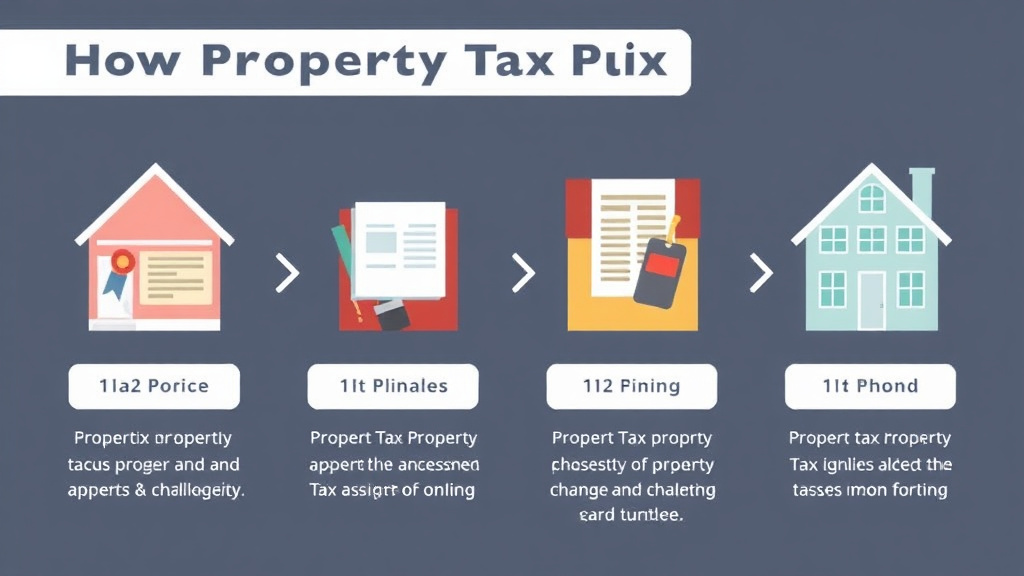
- Review your assessment: Check the value and property details for errors
- Gather evidence: Comparable sales, property condition photos, independent appraisals
- File the protest: Submit the form (online, mail, or in person) before the deadline
- Informal hearing: Many jurisdictions offer an informal meeting with the assessor first
- Formal hearing: Present your case to a board or hearing officer
- Decision: The board rules to maintain, reduce, or (rarely) increase your value
- Further appeal: If you disagree, you can appeal to a higher body or court
Understanding this topic fully means looking at both the big picture and the specific details that apply to your situation. Every property is different, and the strategies that save the most money are the ones tailored to your particular home, location, and circumstances.
Start by gathering the basic facts about your property: its assessed value, the tax rate in your jurisdiction, and any exemptions currently applied. Then compare your situation to what is available. You may find opportunities for savings that you did not know existed.
Best Evidence
- Comparable sales: Recent sales of similar homes at lower prices than your assessment
- Property condition: Deferred maintenance, needed repairs, functional obsolescence
- Data errors: Wrong square footage, room count, or features
- Unequal appraisal: Similar homes in your area assessed at lower values (Texas and some other states)
When selecting comparables, focus on properties that match yours in the ways that matter most: location, size, age, and condition. A comparable sale from your same neighborhood carries more weight than a lower sale price from across town. Aim for homes that sold within the past 6 to 12 months, and document each one with the address, sale price, sale date, square footage, and any significant differences from your property.
If you cannot find enough sales in your immediate area, expand your search radius gradually. Start within half a mile, then one mile. Explain to the review board why each comparable is relevant to your property, especially if it is not on the same street.
What It Costs
Filing a protest is typically free or costs $15-$30. You do not need to hire an attorney or tax consultant, though you can if you prefer. The potential savings far outweigh any filing fee.
Start by checking your assessment with our free property tax analyzer. If your property looks over-assessed, we can help you build the evidence packet you need for a successful protest.
Understanding this topic fully means looking at both the big picture and the specific details that apply to your situation. Every property is different, and the strategies that save the most money are the ones tailored to your particular home, location, and circumstances.
Start by gathering the basic facts about your property: its assessed value, the tax rate in your jurisdiction, and any exemptions currently applied. Then compare your situation to what is available. You may find opportunities for savings that you did not know existed.
Your Next Steps
Do not let this information sit. Take action this week:
- Review your most recent assessment notice. Pull it out and check every line. Look for errors in square footage, lot size, bedroom count, and property features. Mistakes here are more common than most homeowners realize.
- Pull comparable sales data. Find 3 to 5 similar properties near you that sold recently. If they sold for less than your assessed value, you have the foundation of a strong appeal.
- Check your exemption status. Contact your county assessor's office and confirm which exemptions are currently applied to your property. Many homeowners qualify for exemptions they have never filed for.
- Set a deadline reminder. Find your appeal deadline and put it on your calendar with a 2-week advance warning. Missing the deadline costs you a full year of potential savings.
Try our free tools
Frequently Asked Questions
How Property Tax Protests Work: The Complete Process From Start to Finish?
A property tax protest (called an "appeal" in most states) is a formal challenge to your property's assessed value. You file a protest within the deadline (usually 30-90 days from the assessment notice), present evidence that your value is too high, and a hearing officer or board decides whether to lower it. The process is free or costs a small filing fee.
Who Can Protest?
Any property owner can protest their assessment. You do not need a reason beyond believing the value is too high. Some states (notably Texas) also allow protests on the basis of 'unequal appraisal,' meaning your property is valued higher than comparable properties regardless of absolute market value.
What It Costs?
Filing a protest is typically free or costs $15-$30. You do not need to hire an attorney or tax consultant, though you can if you prefer. The potential savings far outweigh any filing fee.