Property Tax vs Property Assessment: Understanding the Difference
TL;DR
Your property assessment is the value assigned to your property by the county assessor. Your property tax is the dollar amount you owe based on that value multiplied by the local tax rate. The assessment determines how much your property is worth for tax purposes. The tax bill is what you actually pay. You can appeal the assessment. You cannot appeal the tax rate. If your assessment is wrong, your tax bill will be wrong too.
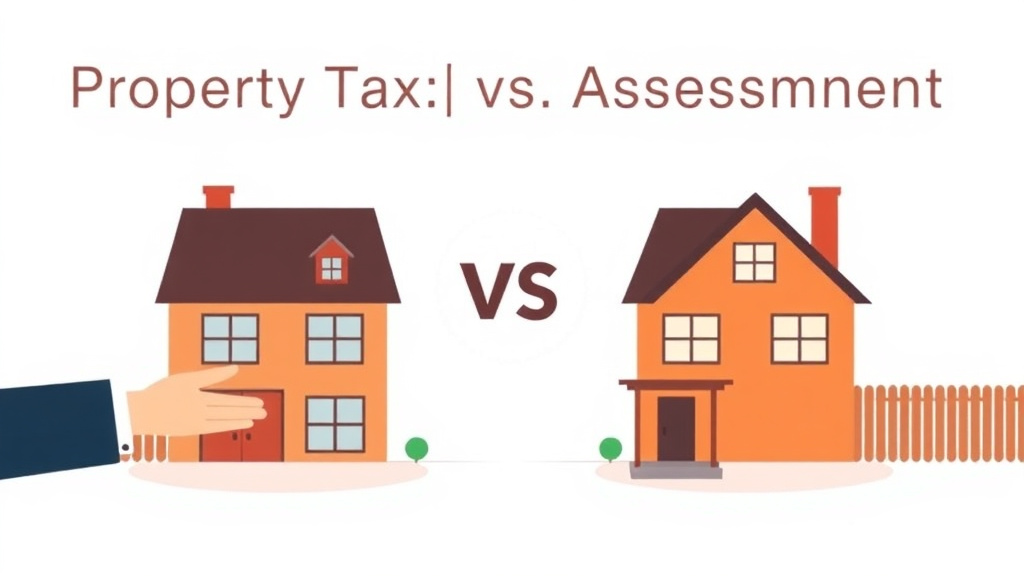
Two Different Things, One Bill
Homeowners use "property tax" and "property assessment" interchangeably, but they are two distinct things connected by a simple formula:
Property Tax = Assessed Value x Tax Rate
Your assessment is the input. Your tax is the output. Getting the input wrong means the output is wrong too.
What Is a Property Assessment?
A property assessment is the process of assigning a value to your property for tax purposes. The county assessor's office handles this. They look at factors like:
- Recent sales of similar properties in your area
- Your property's size, age, and condition
- Location and neighborhood characteristics
- Any improvements or additions
- Current market conditions
The result is your assessed value, a dollar figure the assessor believes represents your property's worth. In some states, this is the full market value. In others, it is a percentage of market value.
Assessments happen on a schedule that varies by state. Some states reassess every year. Others reassess every 2, 3, 4, or even 10 years. Between scheduled reassessments, your value may be adjusted for market changes or stay the same.
What Is a Property Tax?
A property tax is the actual money you owe to local government based on your assessed value. It is calculated by multiplying your assessed value (after any exemptions) by the combined tax rate set by all the taxing authorities in your area.
Here is a simple example:
| Component | Amount |
|---|---|
| Assessed Value | $300,000 |
| Homestead Exemption | -$50,000 |
| Taxable Value | $250,000 |
| Tax Rate | 2.5% |
| Annual Property Tax | $6,250 |
Key Differences
| Feature | Property Assessment | Property Tax |
|---|---|---|
| What it is | A value assigned to your property | The money you owe |
| Who determines it | County assessor | Local taxing authorities (county, city, school district) |
| Can you appeal it? | Yes | Not directly (appeal the assessment instead) |
| How often it changes | On the reassessment cycle (1-10 years) | Every year (rates change annually) |
| What affects it | Property characteristics, market conditions | Assessed value, tax rate, exemptions |
Why the Distinction Matters
Understanding this difference is critical because it tells you what you can control.
You cannot control the tax rate. That is set by elected officials and voter-approved levies. When the school board passes a bond measure or the county approves a new budget, the rate changes for everyone in that jurisdiction.
You can challenge your assessed value. If the assessor says your home is worth $400,000 but comparable sales suggest it is worth $340,000, you can file an appeal and present evidence. If successful, your assessed value drops and your tax bill drops with it.
The Math of a Successful Assessment Appeal
| Scenario | Before Appeal | After Appeal |
|---|---|---|
| Assessed Value | $400,000 | $340,000 |
| Exemptions | -$50,000 | -$50,000 |
| Taxable Value | $350,000 | $290,000 |
| Tax Rate | 2.5% | 2.5% |
| Annual Tax | $8,750 | $7,250 |
| Annual Savings | $1,500 |
Your Assessment Can Be Wrong Even If You Paid Full Price
Many homeowners assume that because they paid a certain price for their home, the assessment must be correct. That is not necessarily true. The assessment is based on the assessor's estimate of value, which may use different data, different methods, or simply be outdated.
Common situations where the assessment diverges from reality:
- The assessor's records show features your property does not have (extra bathroom, finished basement, pool)
- The assessor used comparable sales from a different, more expensive neighborhood
- Market values have declined since the last assessment
- Your property has issues that reduce its value (foundation problems, flood zone, environmental contamination)
- The assessment was done during a market peak and values have corrected
How to Check Your Assessment
Start by looking up your property on your county assessor's website. Review the property details on file: square footage, lot size, number of rooms, year built, property type. Compare these to your actual property. Any discrepancy could mean you are being over-assessed.
Then compare your assessed value to recent sales of similar homes nearby. If homes like yours are selling for significantly less than your assessed value, that is a red flag.
Want a quick check? Our free property tax analyzer compares your assessment to local comparable sales data and tells you in minutes whether your property looks over-assessed. If it does, you could save hundreds or thousands per year by filing an appeal.
Your Next Steps
Put this information to work this week:
- Review your assessment notice. Check every detail: assessed value, property characteristics, square footage, lot size. Errors are more common than you think and they directly inflate your tax bill.
- Pull comparable sales. Find 3 to 5 similar properties near you that sold recently for less than your assessed value. This is the strongest evidence for any appeal.
- Check your exemption status. Contact your county assessor to confirm which exemptions are on file for your property. You may qualify for programs you have not applied for.
- Set a deadline reminder. Find your appeal deadline and put it on your calendar with a 2-week advance warning. Missing it costs you a full year of potential savings.
Why Timing Matters
Property tax appeals have strict deadlines, and procrastination is the number one reason homeowners miss their chance to save. Once the filing window closes, there is no extension and no second chance until next year. That is another 12 months of overpaying.
The homeowners who save the most money treat their assessment notice as a call to action. They review it immediately, check for errors, pull comparable sales within the first week, and file their appeal well before the deadline. This approach leaves time to gather additional evidence if needed and avoids the last-minute scramble that leads to weak cases.
If your deadline has already passed for this year, do not wait until next year's notice arrives to start preparing. Begin gathering comparable sales data now. When your next notice arrives, you will be ready to file immediately with strong evidence already in hand.
Try our free tools
Frequently Asked Questions
How do they compare in terms of property tax vs property assessment: understanding the difference?
Your property assessment is the value assigned to your property by the county assessor. Your property tax is the dollar amount you owe based on that value multiplied by the local tax rate. The assessment determines how much your property is worth for tax purposes. The tax bill is what you actually pay. You can appeal the assessment, but you cannot appeal the tax rate.
How do property taxes and property assessments differ?
Homeowners use 'property tax' and 'property assessment' interchangeably, but they are two distinct things connected by a simple formula: Property Tax = Property Assessment x Tax Rate.
What Is a Property Assessment??
A property assessment is the process of assigning a value to your property for tax purposes. The county assessor's office handles this. They look at factors like recent sales of similar properties in your area, your property's size, age, and condition, and location and neighborhood characteristics.
What Is a Property Tax??
A property tax is the actual money you owe to local government based on your assessed value. It is calculated by multiplying your assessed value (after any exemptions) by the combined tax rate set by all the taxing authorities in your area.
Why the Distinction Matters?
Understanding this difference is critical because it tells you what you can control. You cannot control the tax rate, as it is set by elected officials and voter-approved levies. However, you can challenge your assessed value if you believe it is incorrect.
What are the costs for your assessment can be wrong even if you paid full price?
Many homeowners assume that because they paid a certain price for their home, the assessment must be correct. That is not necessarily true. The assessment is based on the assessor's estimate of value, which may use different data, different methods, or simply be outdated. Common situations where the assessment diverges from reality include the assessor's records showing features your property does not have or missing recent renovations.
How to Check Your Assessment?
Start by looking up your property on your county assessor's website. Review the property details on file: square footage, lot size, number of rooms, year built, property type. Compare these to your actual property.